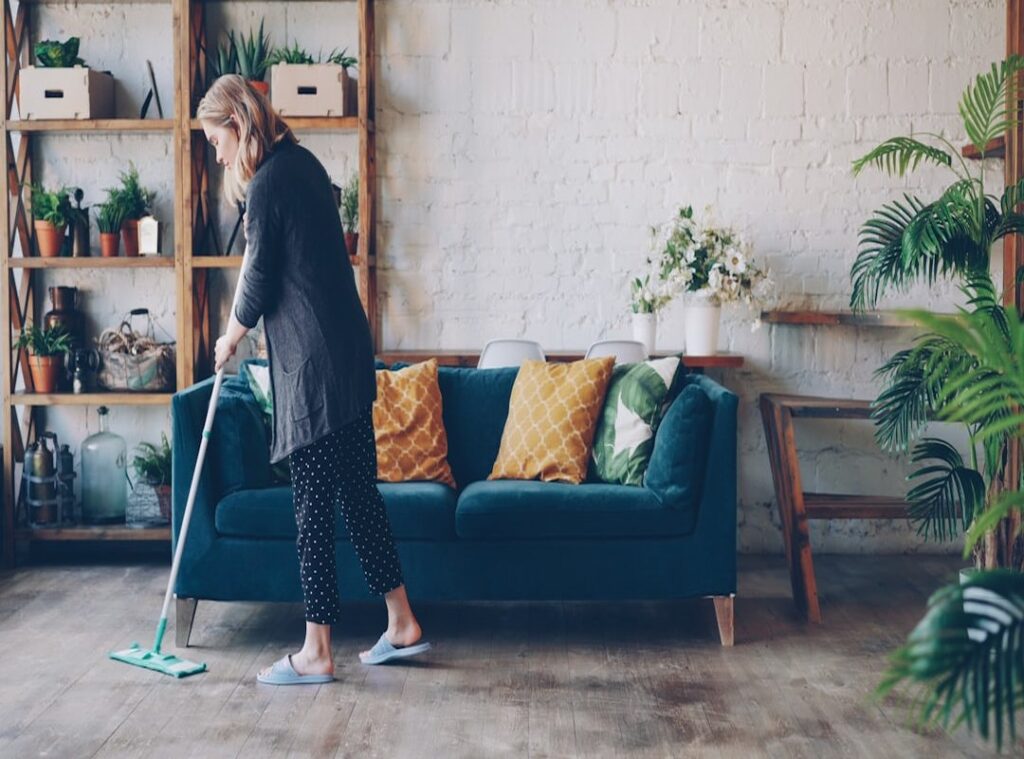

Creating a cleaner home doesn’t have to mean overhauling your entire life. If you’ve ever felt that sustainable living is expensive, complicated, or requires drastic sacrifices, you’re not alone. The truth is, the most meaningful change starts with small, intentional decisions made right at home. In this guide, we’ll show you how simple eco-friendly lifestyle swaps can reduce waste, streamline your routines, and elevate your space without compromising comfort or style. Backed by years of hands-on experience in designing pristine, efficient living environments, these practical tips prove that sustainable choices can be both accessible and beautifully effective.
The Pristine Kitchen: Reducing Waste at the Source
By embracing eco-friendly swaps in your daily life, you can not only reduce your environmental footprint but also create a clutter-free space that makes organizing projects, like transforming your garage, feel more manageable and inviting – for more details, check out our How To Organize Your Garage Livpristhouse.
A pristine kitchen isn’t about perfection—it’s about prevention. In other words, the less waste you create, the less you have to manage later (and the less your trash can judges you).
Ditching Single-Use the Smart Way
Start with eco-friendly lifestyle swaps that actually stick. Trade paper towels for washable microfiber cloths, plastic wrap for beeswax wraps or silicone lids, and disposable bags for reusable silicone alternatives. While some argue single-use items are “more convenient,” convenience often hides long-term costs—financial and environmental. According to the EPA, containers and packaging make up over 28% of municipal solid waste in the U.S. (EPA, 2023). Reusables cut that down dramatically.
Pro tip: Keep a small laundry bin under the sink for used cloths so they don’t migrate across your counters.
Smart Food Storage & Organization
Next, implement a first-in, first-out system—meaning older items get used before newer ones. Clear glass containers make leftovers visible, reducing the “mystery container” effect (we’ve all opened one like it’s a science experiment). Studies show households waste nearly 30–40% of their food supply (USDA). Visibility changes behavior.
Composting Made Simple
Meanwhile, a countertop compost bin turns scraps into nutrient-rich soil while reducing methane emissions from landfills (EPA). It’s climate action without the cape—though Captain Planet would approve.
DIY Cleaning Solutions
Finally, mix equal parts white vinegar and water with a few drops of essential oil for an effective all-purpose cleaner. Critics say homemade solutions lack power, yet vinegar’s acetic acid is proven to cut grease and mineral buildup. Fewer bottles, fewer chemicals, cleaner conscience.
The Conscious Bathroom: Clean Routines for a Cleaner Planet
Your bathroom routine might feel small, but its impact isn’t. Simple shifts create measurable benefits—for your wallet, your health, and the planet.
Water Conservation Habits
Installing a low-flow showerhead can cut water use by up to 50% (EPA WaterSense). That means lower utility bills without sacrificing pressure. Turn off the tap while brushing your teeth or washing your face and you can save up to 8 gallons per day. What’s in it for you? Immediate savings and the quiet satisfaction of knowing your five-minute routine isn’t draining resources (literally).
Embrace Solid & Refillable Toiletries
Shampoo bars, conditioner bars, and bar soap eliminate plastic bottle waste and often last longer than liquid versions. Toothpaste tablets and refillable deodorants streamline your cabinet while reducing landfill contribution. These eco-friendly lifestyle swaps simplify your space and shrink your trash output at the same time.
Sustainable Personal Care Swaps
Trade disposables for durable options: a bamboo toothbrush, a stainless steel safety razor, reusable cotton rounds. You’ll buy less, toss less, and save more over time. (Plus, your bathroom shelf looks effortlessly chic—Pinterest-worthy, minus the clutter.)
Mindful Product Use
Using only what you need stretches product life and reduces chemical runoff. A pea-sized amount is often plenty. Pro tip: track how long items last—you’ll quickly spot where overuse happens.
If you’re unsure where to begin, start with one habit and build momentum using this guide on how to build a clean living routine that sticks: https://livpristclean.com/how-to-build-a-clean-living-routine-that-sticks/.
Living & Laundry: Designing for Long-Term Sustainability
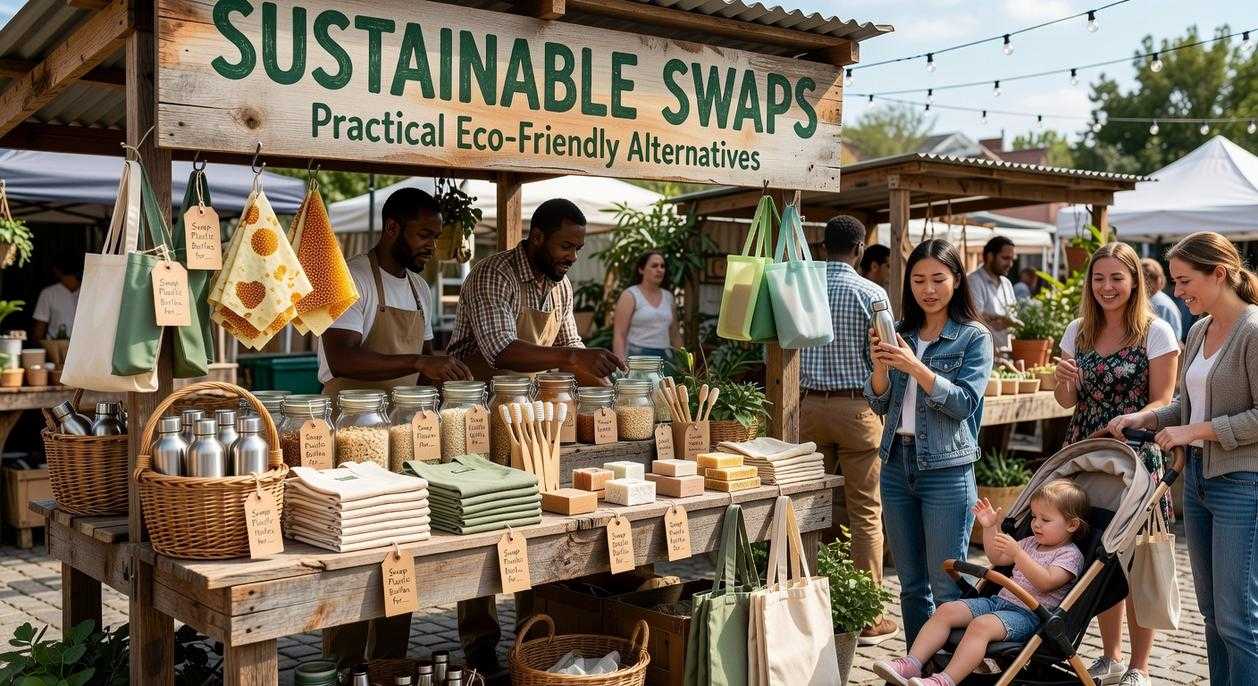
Designing a sustainable home doesn’t require a full renovation. In fact, it often starts in the laundry room. Washing clothes in cold water can cut energy use significantly, since about 90% of the energy used by washing machines goes toward heating water (U.S. Department of Energy). Swap dryer sheets for wool dryer balls, which reduce drying time and are reusable for years. Small change, noticeable impact.
At the same time, consider mindful consumption. A simple “one in, one out” rule for decor or clothing prevents clutter from quietly taking over your space. If a new throw pillow comes home, another should be donated. This habit keeps your home curated instead of chaotic (and saves you from overflowing closets).
Of course, some argue secondhand shopping is time-consuming. That can be true. However, thrift stores and online marketplaces often offer solid wood furniture at a fraction of retail prices. With a little patience, you’ll find unique, high-quality pieces that outlast fast furniture trends.
Finally, improve energy efficiency by switching to LED bulbs and using smart power strips to eliminate phantom energy draw. These eco-friendly lifestyle swaps lower utility bills while shrinking your carbon footprint.
Pro tip: Start with one room. Sustainable change sticks better when it feels manageable, not overwhelming.
Organization as a Sustainable Practice
A cluttered home quietly fuels waste. When drawers are chaotic, you rebuy items you already own. When the fridge is overcrowded, leftovers expire unseen. Disorganization doesn’t just look messy—it costs money and increases landfill contributions (the EPA estimates food waste is a leading category in U.S. landfills).
Here’s what I recommend:
• Create clearly labeled bins for recycling, compost, donations, and repairs. When disposal is EASY, it becomes automatic.
• Organize your pantry and fridge by visibility—group like items, place older products front and center, and track expiration dates weekly.
Think of it as eco-friendly lifestyle swaps in action. An orderly kitchen means fewer duplicates, smarter grocery trips, and less waste overall (your wallet will notice too).
Your Sustainable Home Starts Today
You wanted a simpler way to create a greener home—without the stress of a total overhaul. Now you can see that sustainable living is built on small, manageable shifts, not perfection. The real pain point isn’t knowing what to do—it’s feeling overwhelmed about where to begin. That’s why starting with one action matters.
Commit to one of these eco-friendly lifestyle swaps this week and put it into practice. Small changes create real momentum.
Ready to make your home cleaner, calmer, and more sustainable? Start today, stay consistent, and discover why thousands trust our proven home strategies to make sustainable living simple. Take the first step now.
 Home Care & Organization Advisor
Ask Dawnarina Conger how they got into clean lifestyle essentials and you'll probably get a longer answer than you expected. The short version: Dawnarina started doing it, got genuinely hooked, and at some point realized they had accumulated enough hard-won knowledge that it would be a waste not to share it. So they started writing.
What makes Dawnarina worth reading is that they skips the obvious stuff. Nobody needs another surface-level take on Clean Lifestyle Essentials, Modern Home Design Tips, Household Organization Hacks. What readers actually want is the nuance — the part that only becomes clear after you've made a few mistakes and figured out why. That's the territory Dawnarina operates in. The writing is direct, occasionally blunt, and always built around what's actually true rather than what sounds good in an article. They has little patience for filler, which means they's pieces tend to be denser with real information than the average post on the same subject.
Dawnarina doesn't write to impress anyone. They writes because they has things to say that they genuinely thinks people should hear. That motivation — basic as it sounds — produces something noticeably different from content written for clicks or word count. Readers pick up on it. The comments on Dawnarina's work tend to reflect that.
Home Care & Organization Advisor
Ask Dawnarina Conger how they got into clean lifestyle essentials and you'll probably get a longer answer than you expected. The short version: Dawnarina started doing it, got genuinely hooked, and at some point realized they had accumulated enough hard-won knowledge that it would be a waste not to share it. So they started writing.
What makes Dawnarina worth reading is that they skips the obvious stuff. Nobody needs another surface-level take on Clean Lifestyle Essentials, Modern Home Design Tips, Household Organization Hacks. What readers actually want is the nuance — the part that only becomes clear after you've made a few mistakes and figured out why. That's the territory Dawnarina operates in. The writing is direct, occasionally blunt, and always built around what's actually true rather than what sounds good in an article. They has little patience for filler, which means they's pieces tend to be denser with real information than the average post on the same subject.
Dawnarina doesn't write to impress anyone. They writes because they has things to say that they genuinely thinks people should hear. That motivation — basic as it sounds — produces something noticeably different from content written for clicks or word count. Readers pick up on it. The comments on Dawnarina's work tend to reflect that.