
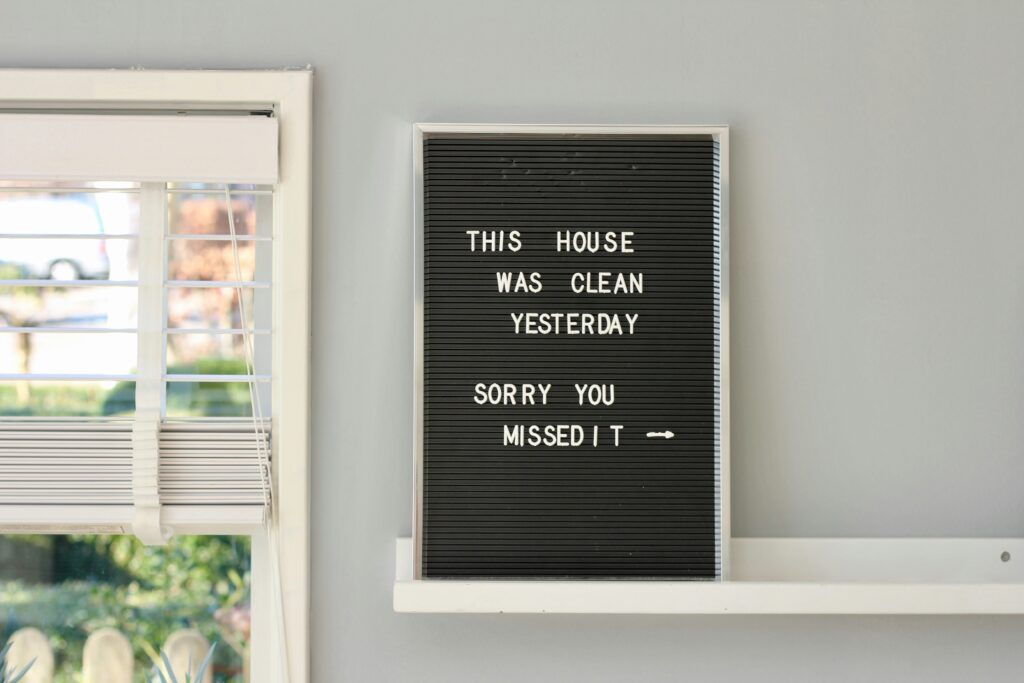
A kitchen can look spotless and still feed an ant colony. Crumbs gather under the toaster, grease settles behind the stove, and a damp towel sits on the edge of the sink overnight. On the Treasure Coast, warmth and humidity keep ants, roaches, and other pests active through most of the year, so a small food or water source gets found quickly. Deep cleaning removes those hidden supplies and makes signs of activity easier to spot. It also has limits, since pests that live outdoors or inside the structure keep coming regardless of how clean the counters are. The sections below cover appliances, pantry areas, pet zones, trash storage, and low-traffic spaces, then explain what cleaning can and cannot accomplish.
Appliances Hide the Messiest Gaps
The space under and behind a stove or refrigerator collects more debris than any other part of a kitchen. Crumbs, grease, and spilled liquid settle into the dark gap, and the warmth from the motor or oven makes it comfortable for roaches and ants. Dishwashers and washing machines add moisture from small leaks and condensation, which draws silverfish and drain flies.
Pulling appliances away from the wall, with care for gas and water lines, shows what a regular mop misses. Vacuuming first removes loose material, and a degreasing cleaner handles the sticky film left behind. The refrigerator drip pan often holds stagnant water and deserves a wash. Gaps between countertops and appliances catch food that falls and stays, so a thin brush or a crevice tool helps there. Cleaning these spots every few months, and again whenever a trail of ants appears, removes the supplies that sustain a small colony. Noting where droppings, egg cases, or shed skins turn up during the work also gives a technician useful information later.
Pantry Areas and Pet Zones Deserve the Same Attention
A pantry concentrates food in a small space, and spills hide in the corners of shelves. Flour, sugar, rice, and cereal leave fine residue, and a forgotten package can host pantry moths or beetles for months. Emptying each shelf, discarding expired items, vacuuming corners, and wiping with soapy water resets the space. Glass jars and thick plastic containers with tight lids keep dry goods protected afterward.
Pet feeding zones create a similar problem. Kibble scatters, water splashes, and residue dries on the mat and the wall behind the bowl. Ants find those spots within hours. Washing bowls daily, wiping the surrounding floor, and lifting the mat to clean beneath it keeps the area from becoming a standing invitation. Pet food belongs in a sealed bin rather than an open bag, and water dishes should be dried around the base. When pets eat outdoors, uneaten food should come inside before dusk. A cleaner feeding area also makes it easier to see whether insects are arriving in numbers that suggest a nest nearby.
Trash Storage and Low-Traffic Spaces
Bins attract flies, roaches, and rodents even when bags leave on schedule. Residue inside the bin and a damp cabinet floor beneath it keep the draw alive. Washing the bin with hot water and detergent, including the lid and rim, removes the film that insects follow. Outdoor containers should have tight lids, sit on a hard surface, and stay away from the house wall.
Low-traffic spaces such as garages, laundry rooms, closets, and storage corners deserve equal care, since pests settle where nobody looks. Cardboard boxes absorb moisture and shelter insects, and sealed plastic bins serve better. Sweeping behind and beneath stored items shows droppings or webbing early. When these areas are clean and activity still appears near the exterior, many owners contact a provider such as Native Pest Management for Port St. Lucie pest control to look at what cleaning cannot reach, including entry points around the foundation, attic vents, and landscaping that touches the walls.
Why Cleanliness Alone May Not Eliminate an Infestation
Sanitation removes the reward, but it does not remove the colony. Ants nesting in a wall void, roaches breeding in a damp crawl space, or rodents using a gap in the roofline will persist as long as their shelter remains. Sprays and baits applied without finding the source often scatter insects instead of solving the problem.
Outdoor conditions matter just as much. Mulch piled against siding, overgrown shrubs, leaking irrigation, and standing water supply moisture and cover along the foundation. Pests that begin there move toward the house on any available path. When structural or outdoor sources remain, an inspection from a licensed local pest provider or a comparable licensed company can trace the activity to its origin and suggest repairs and treatments that match the species. Cleaning still helps, because a tidy home makes treatments work better and signs easier to read, but it works best as one part of a broader plan.
A Practical Cleaning Checklist
A schedule turns a large job into manageable pieces. Choosing one area per weekend spreads the effort, and repeating the full circuit a few times a year keeps conditions steady.
Here is a basic order of work:
- Pull out the stove and refrigerator, then vacuum and degrease the floor and walls.
- Empty pantry shelves, wipe them, and move dry goods into sealed containers.
- Wash pet bowls and mats, and clean the floor around the feeding area.
- Scrub trash bins, wipe cabinets beneath sinks, and check for leaks.
- Sweep garages and closets, and replace cardboard with plastic bins.
Wear gloves, ventilate the room, and photograph any droppings or damage before cleaning them away.
Final Analysis
Persistent pest activity usually reflects a mix of indoor food sources and outdoor or structural access. Deep cleaning removes the first and reveals the second, which makes it a worthwhile project even when it does not end the problem. Appliances, pantries, pet areas, trash storage, and forgotten corners each hold supplies that pests find quickly. When signs continue after careful cleaning, the source is probably outside the reach of a mop, and a professional inspection can find it. Keeping notes and photographs from the cleaning shortens that visit and improves the results.
 Home Care & Organization Advisor
Ask Dawn B. how they got into clean lifestyle essentials and you'll probably get a longer answer than you expected. The short version: Dawn started doing it, got genuinely hooked, and at some point realized they had accumulated enough hard-won knowledge that it would be a waste not to share it. So they started writing.
What makes Dawn worth reading is that they skips the obvious stuff. Nobody needs another surface-level take on Clean Lifestyle Essentials, Modern Home Design Tips, Household Organization Hacks. What readers actually want is the nuance — the part that only becomes clear after you've made a few mistakes and figured out why. That's the territory Dawn operates in. The writing is direct, occasionally blunt, and always built around what's actually true rather than what sounds good in an article. They has little patience for filler, which means they's pieces tend to be denser with real information than the average post on the same subject.
Dawn doesn't write to impress anyone. They writes because they has things to say that they genuinely thinks people should hear. That motivation — basic as it sounds — produces something noticeably different from content written for clicks or word count. Readers pick up on it. The comments on Dawn's work tend to reflect that.