
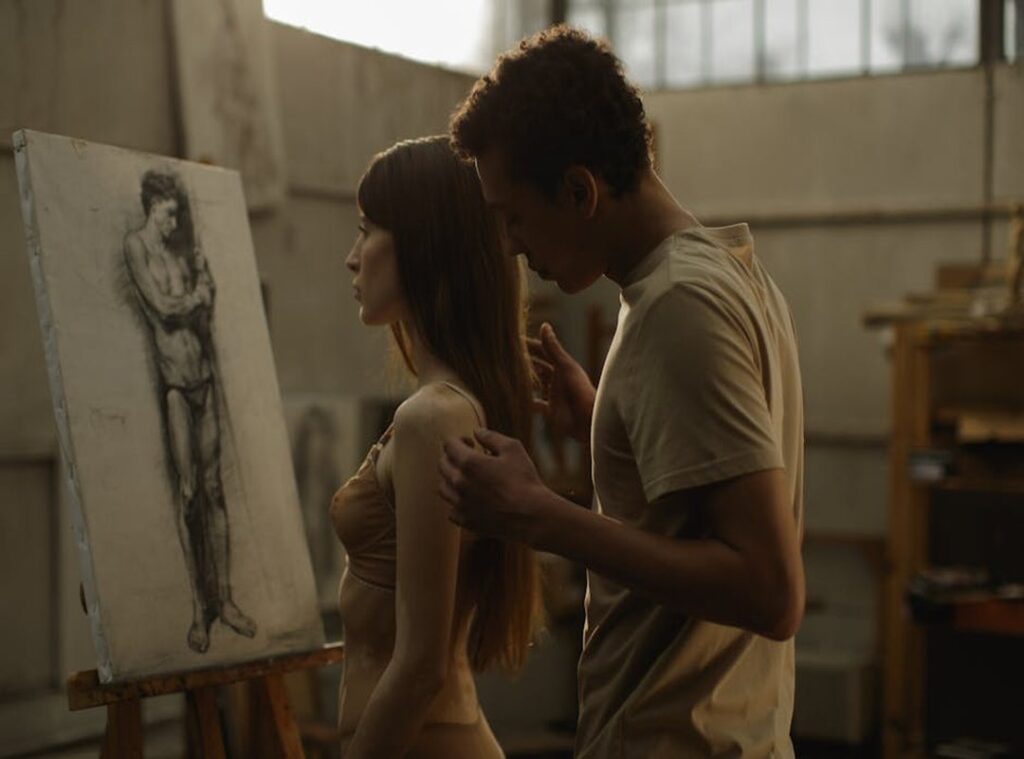
Drawing two figures that look genuinely connected, not just two separate people placed next to each other, is a common challenge. This article aims to provide a practical guide filled with ideas, tips, and reference concepts for creating natural and dynamic couple pose sketches.
We’ll cover a range of ideas, from simple and sweet poses for beginners to more complex, action-oriented sketches for experienced artists. Understanding the fundamentals of interaction and weight is key to making any pose believable.
The article will also touch on how to convey emotion and story through posing. Let’s dive in.
The Foundation: Anatomy of a Connected Pose
When it comes to drawing a couple, think of them as one big, slightly awkward unit. Their center of gravity is the key. It’s like they’re a single, wobbly tower that needs to stay upright.
Points of contact are where the magic happens. Hands, shoulders, hips—these are the spots where they touch. These points dictate the pose.
A gentle hand on a shoulder looks different from a firm grip. It’s all about the vibe you want to convey.
Now, let’s talk about weight and pressure, and how do you show that? Well, a hand resting lightly on a shoulder looks relaxed, while a hand gripping tightly shows tension or support.
It’s like the difference between a casual pat and a “I’m here for you” squeeze.
Leading lines and flow are your secret weapons. They guide the viewer’s eye through the interaction. Imagine a line that starts at one person’s hand and moves up to their shoulder, then down to the other person’s hip.
It’s like a visual dance, and you’re the choreographer.
Let’s use a simple example: a basic hug. When two people hug, their torsos press together. Arms wrap around each other in a natural, almost protective way.
It’s not just about the arms; it’s about how the whole body leans into the embrace.
| Element | Description |
|---|---|
| Center of Gravity | The balance point of the couple as a single unit. |
| Points of Contact | Where the figures touch (hands, shoulders, hips). |
| Weight and Pressure | How the touch varies (light, firm, tense, relaxed). |
| Leading Lines and Flow | Visual paths that guide the viewer’s eye. |
So, next time you draw a couple, remember: it’s all about making them look connected, balanced, and real. And if you mess up, just blame it on the couple having a bad day.
Sweet & Simple: Poses for Heartwarming Sketches
Drawing simple, low-action poses can be a great way to capture quiet intimacy and emotion. These poses are perfect for beginners or anyone looking to add a touch of tenderness to their artwork.
Pose Idea 1: Holding Hands
Holding hands is a classic pose that can convey a lot with just a few lines. You can draw intertwined fingers, which show a deep connection. Or, try loosely held hands, which can feel more casual and relaxed.
Another option is one hand leading the other, suggesting a gentle guide or support.
Pose Idea 2: Leaning
Leaning on someone is a subtle but powerful pose. One person’s head resting on the other’s shoulder or lap can create a sense of comfort and trust. Pay attention to the slight shift in weight and posture.
This small detail can make the pose feel more natural and real.
Pose Idea 3: Back-to-Back
Back-to-back is a versatile pose. It can show comfortable companionship, like two people sitting back-to-back while reading or chatting. Alternatively, it can also depict playful conflict, especially if the expressions and postures are more tense.
The key is in the details—facial expressions and body language can completely change the mood.
Pose Idea 4: A Gentle Embrace
A gentle embrace from the side or behind is another beautiful, simple pose. Focus on the placement of hands—on the waist, shoulder, or arm. These small touches can add a lot of warmth and intimacy to your drawing.
Pro tip: When drawing these simple poses, pay close attention to the small details. The curve of the spine, the tilt of a head, or the softness of a hand can make a big difference in how realistic and heartfelt your sketch looks.
Dynamic & Energetic: Capturing Couples in Motion
When it comes to drawing couples, why not add some energy and movement? It makes the sketch more engaging and tells a story. Let’s dive into some dynamic poses that can bring your artwork to life.
Pose Idea 1: Dancing. Break down a simple dance pose, like a dip or a twirl. Focus on the lines of action and the distribution of weight.
This will make the pose look natural and fluid.
Pose Idea 2: The ‘Piggyback Ride’. To make this believable, show the strain in the carrier’s posture and the relaxed posture of the rider. Pay attention to the little details, like the grip of the hands and the angle of the legs.
Pose Idea 3: Running or Walking Together. Synchronize their gaits so they look like they are moving as a pair, not just two separate running figures. This creates a sense of unity and shared motion.
Pose Idea 4: A Playful Lift. Detail the mechanics of drawing one person lifting the other. Focus on the core engagement and the balance required from both figures.
This pose can be tricky, but it’s worth the effort for the dynamic effect.
Pro tip: Use gesture drawing techniques to capture the initial energy of these poses before adding details. This helps keep the movement and flow in your final sketch.
Base couple poses drawing is a great starting point. But adding these dynamic elements can take your art to the next level. Don’t be afraid to experiment and see what works best for you.
If you need more inspiration or tips, check out Livpristclean for a clean and modern approach to design and creativity.
Sketching the Story: Poses That Convey Emotion
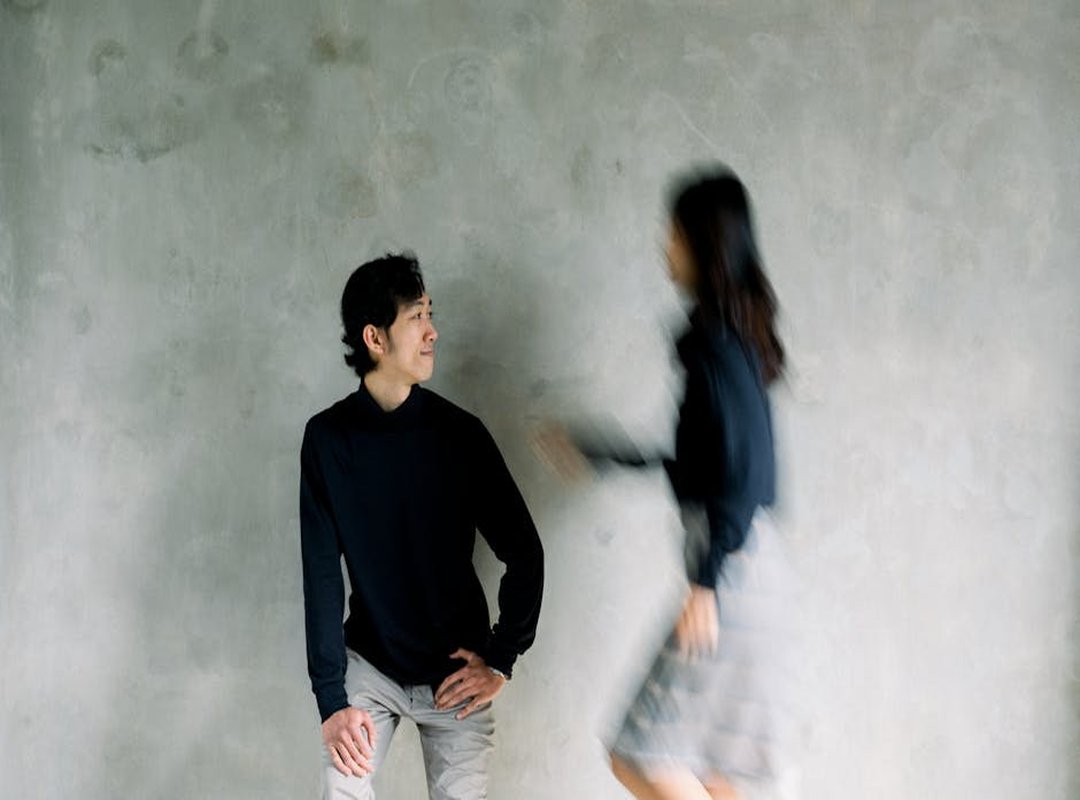
Every pose tells a story. It’s up to you to control that narrative.
1. A loose, gentle hug can convey comfort and warmth.
2. A tight, strained hug might show desperation or fear.
Body language is key. Closed-off arms, distance between figures, or direct eye contact can completely change the meaning of a sketch.
Hands are crucial, and are they clenched, relaxed, or caressing? This small detail adds a layer of emotional depth.
Think about the ‘before’ and ‘after’ of the moment you’re sketching. What led to this pose, and what will happen next?
This context informs the emotional tone.
Base couple poses drawing:
- Start with a simple base pose.
- Adjust the body language and hand positions.
- Consider the emotional context and refine the details.
By focusing on these elements, you can create sketches that truly resonate.
Your Next Sketch Starts Now
Starting with the fundamentals of connection, practicing simple poses, and then advancing to dynamic and emotional scenes, you’ve covered a lot. The key to great base couple poses drawing is observing real-life interaction and understanding weight and balance.
Now, it’s time to put your skills to the test. Challenge yourself to pick one specific pose idea from the article, like ‘the piggyback ride’ or ‘head on shoulder’, and sketch it in the next 15 minutes.
Remember, practice and experimentation are the best ways to improve. Keep sketching!
 Content & Lifestyle Specialist
Hazelerina Henry has opinions about household organization hacks. Informed ones, backed by real experience — but opinions nonetheless, and they doesn't try to disguise them as neutral observation. They thinks a lot of what gets written about Household Organization Hacks, Pristine Interior Care Solutions, Home Living Highlights is either too cautious to be useful or too confident to be credible, and they's work tends to sit deliberately in the space between those two failure modes.
Reading Hazelerina's pieces, you get the sense of someone who has thought about this stuff seriously and arrived at actual conclusions — not just collected a range of perspectives and declined to pick one. That can be uncomfortable when they lands on something you disagree with. It's also why the writing is worth engaging with. Hazelerina isn't interested in telling people what they want to hear. They is interested in telling them what they actually thinks, with enough reasoning behind it that you can push back if you want to. That kind of intellectual honesty is rarer than it should be.
What Hazelerina is best at is the moment when a familiar topic reveals something unexpected — when the conventional wisdom turns out to be slightly off, or when a small shift in framing changes everything. They finds those moments consistently, which is why they's work tends to generate real discussion rather than just passive agreement.
Content & Lifestyle Specialist
Hazelerina Henry has opinions about household organization hacks. Informed ones, backed by real experience — but opinions nonetheless, and they doesn't try to disguise them as neutral observation. They thinks a lot of what gets written about Household Organization Hacks, Pristine Interior Care Solutions, Home Living Highlights is either too cautious to be useful or too confident to be credible, and they's work tends to sit deliberately in the space between those two failure modes.
Reading Hazelerina's pieces, you get the sense of someone who has thought about this stuff seriously and arrived at actual conclusions — not just collected a range of perspectives and declined to pick one. That can be uncomfortable when they lands on something you disagree with. It's also why the writing is worth engaging with. Hazelerina isn't interested in telling people what they want to hear. They is interested in telling them what they actually thinks, with enough reasoning behind it that you can push back if you want to. That kind of intellectual honesty is rarer than it should be.
What Hazelerina is best at is the moment when a familiar topic reveals something unexpected — when the conventional wisdom turns out to be slightly off, or when a small shift in framing changes everything. They finds those moments consistently, which is why they's work tends to generate real discussion rather than just passive agreement.