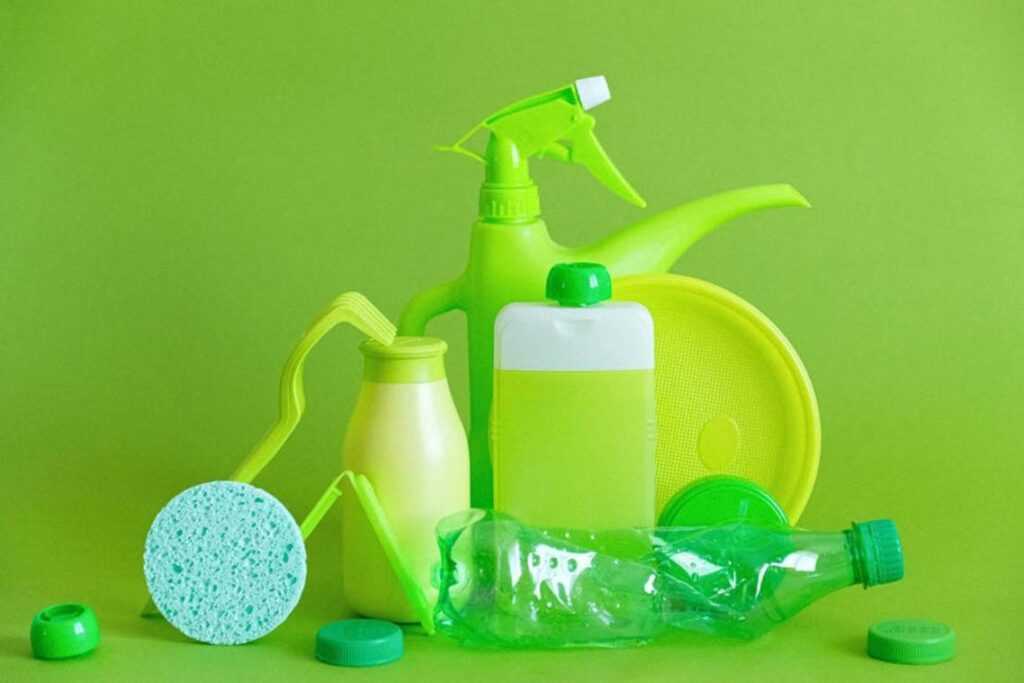
If you’re searching for safer ways to keep your home spotless without exposing your family to harsh chemicals, you’re in the right place. This article is designed to meet that need directly—cutting through the marketing noise to give you clear, practical guidance on choosing effective, safer alternatives for everyday cleaning.
Inside this non-toxic cleaning products guide, you’ll find straightforward advice on what ingredients to avoid, what labels actually mean, and which products deliver real results without compromising indoor air quality or surface safety. We’ve reviewed current research on common household cleaners, analyzed ingredient safety data, and compared performance insights from trusted consumer and environmental sources.
Whether you’re transitioning to a fully clean home routine or just starting with a few swaps, this guide will help you make informed, confident decisions that protect your space, your health, and your peace of mind.
A Cleaner Home, A Greener Planet: Your Ultimate Guide
A sparkling kitchen shouldn’t come with a cloud of mystery chemicals. Yet many conventional cleaners rely on harsh solvents—substances designed to dissolve dirt but that can also irritate lungs and waterways. In other words, clean surfaces sometimes mean polluted air. So, what’s the alternative? Start with a non-toxic cleaning products guide that explains labels in plain language. For example, “biodegradable” means ingredients break down naturally, while “plant-based” signals renewable sources. Meanwhile, avoid terms like “fragrance,” which can hide dozens of undisclosed compounds. Ultimately, greener choices protect your home and the planet.
The Hidden Costs of Conventional Cleaners
Impact on Your Home’s Air Quality
Many conventional cleaners release Volatile Organic Compounds (VOCs)—gases that evaporate into the air and can trigger headaches, dizziness, and respiratory irritation (EPA). Think of that “fresh lemon” scent lingering after you mop; it may actually be chemical residue hanging around. Clean shouldn’t mean coughing. Some argue that exposure levels are too low to matter. But repeated, daily use in enclosed spaces adds up—especially for kids and pets.
Down the Drain
Phosphates and non-biodegradable surfactants wash into waterways, fueling algal blooms and harming aquatic ecosystems (NOAA). While critics say wastewater treatment solves this, many facilities can’t fully remove these compounds.
The Plastic Problem
Single-use spray bottles dominate the industry.
- Limited recycling rates
- Growing landfill overflow
Speculation: refill stations and concentrates may soon become standard, not niche.
Skin and Sensitivity Issues
Harsh agents can irritate skin and trigger allergies. A non-toxic cleaning products guide can help families choose gentler alternatives.
Decoding the “Green” Label: How to Be a Smart Shopper
Walk down any cleaning aisle and you’ll see a lot of green packaging. But GREEN doesn’t always mean clean. If you want safer products, focus on ingredients—not marketing.
Key Ingredients to Look For
Choose plant-derived and biodegradable ingredients that actually WORK:
- Coco-glucoside (a gentle surfactant, meaning it lifts dirt so it can be rinsed away)
- Citric acid (a natural descaler that breaks down mineral buildup)
- Enzymes (proteins that break apart stains like food or grease at a molecular level)
These ingredients are common in any solid non-toxic cleaning products guide because they clean effectively without harsh residues. Pro tip: shorter ingredient lists are often easier to evaluate.
Some argue traditional chemicals clean “better.” But studies show enzyme-based cleaners can be highly effective against organic stains while reducing environmental impact (EPA Safer Choice Program).
Red Flag Ingredients to Avoid
Steer clear of:
- Phthalates (linked to hormone disruption, per CDC findings)
- Ammonia (respiratory irritant)
- Chlorine bleach (can create toxic fumes when mixed)
- Artificial fragrances (often undisclosed chemical blends)
If you wouldn’t want to inhale it in a small bathroom, reconsider bringing it home.
Understanding Certifications
Look for TRUSTED labels:
- EPA Safer Choice: Screens ingredients for human and environmental safety.
- Green Seal: Sets science-based sustainability standards.
- EWG Verified: Flags products meeting strict health criteria.
These certifications matter more than vague buzzwords.
Beware of Greenwashing
Terms like “natural” or “eco-friendly” are unregulated. Without certification, they’re just marketing (like calling soda “vitamin water”). For practical next steps, explore daily habits that support a healthier home environment: https://livpristclean.com/daily-habits-that-support-a-healthier-home-environment/
Bottom line: READ LABELS. Choose transparency over trends.
Building Your Sustainable Cleaning Arsenal, Room by Room

A sparkling home shouldn’t come at the cost of indoor air quality. Yet many mainstream brands still rely on harsh surfactants (cleaning agents that break down grease) and synthetic fragrances linked to respiratory irritation (EPA). Here’s how to build a smarter kit—room by room—without sacrificing performance.
The All-Purpose Powerhouse
Start with a plant-based multi-surface cleaner. These formulas use biodegradable ingredients derived from coconut or corn to lift grime from countertops, sealed wood, and everyday spills. Critics argue they’re “weaker” than conventional sprays. In reality, properly formulated plant surfactants remove soil just as effectively when given proper dwell time (let it sit 30–60 seconds—pro tip). Think of it as the cast-iron skillet of cleaning supplies: versatile, dependable, and built to last.
Pristine Kitchen Solutions
Grease is stubborn. But non-toxic degreasers powered by citrus solvents (like d-limonene) cut through stovetop splatter without leaving chemical residue. Pair that with plant-based dish soap tough on baked-on grime yet gentle on hands (no one wants dishpan dryness). Many competitors skip the backsplash entirely—don’t. It’s a hidden grease magnet.
The Bathroom Reset
Skip bleach-heavy formulas. Citric acid dissolves soap scum, while hydrogen peroxide tackles mildew by releasing oxygen that breaks down stains (CDC). Septic-safe toilet cleaners protect plumbing and waterways—an often-overlooked advantage.
Laundry Room Upgrades
Choose concentrated, biodegradable detergents to reduce packaging waste. Wool dryer balls replace chemical-laden sheets (and cut drying time). Enzyme-based stain removers target proteins and oils at the molecular level. For a deeper dive, consult a non-toxic cleaning products guide before restocking.
Sustainable cleaning isn’t about doing less—it’s about choosing better chemistry.
Simple & Effective DIY Cleaning Recipes
If you ask me, the best cleaning solutions are probably already in your kitchen. Not only are they affordable, they actually work.
First, the core ingredients:
- Distilled white vinegar: cuts grease and helps disinfect (it’s basically the quiet overachiever of the pantry).
- Baking soda: a gentle abrasive that deodorizes instead of masking smells.
- Lemon juice: naturally deodorizes and leaves a subtle shine.
Now, onto the good stuff.
Recipe 1: Streak-Free Glass Cleaner
Mix 1 cup water, 1 cup vinegar, and 1 tablespoon rubbing alcohol in a reusable spray bottle. In my experience, this outperforms most store brands.
Recipe 2: All-Purpose Surface Spray
Combine 1 cup water, 1 cup vinegar, and 10 drops tea tree or lavender oil. It smells fresh and adds mild antibacterial properties.
Recipe 3: Powerful Sink & Tub Scrub
Blend baking soda with enough water or liquid soap to form a paste. Scrub, rinse, admire.
For more ideas, check a non-toxic cleaning products guide.
Choosing eco-friendly products is more than a trend; it’s a practical way to safeguard your family’s health and reduce environmental impact. A truly clean home doesn’t rely on harsh, toxic chemicals—modern plant-based formulas break down grease, disinfect surfaces, and leave indoor air fresher without lingering residues. Check any non-toxic cleaning products guide and you’ll see ingredients like vinegar, baking soda, and essential oils delivering real results.
Start small. Swap your all-purpose spray this week or try one simple DIY solution. Every mindful switch matters (yes, even that sponge). Small upgrades create a healthier, more sustainable home for generations to come.
Create a Healthier, Truly Pristine Home Today
You came here looking for a safer, smarter way to care for your home — and now you have it. From understanding harmful ingredients to choosing better alternatives and building sustainable cleaning routines, you’re equipped to make confident decisions that protect both your space and your well-being.
The truth is, harsh chemicals, lingering toxins, and cluttered systems don’t just affect your home — they affect your peace of mind. A clean space should feel fresh and restorative, not risky or overwhelming.
Now it’s time to take action. Start by replacing just one conventional product with a safer alternative from this non-toxic cleaning products guide, then build from there. Small shifts create lasting change.
If you’re ready for a home that feels lighter, healthier, and effortlessly organized, explore our proven clean-living solutions and step-by-step care strategies. Join thousands who trust our top-rated guidance to simplify their routines and elevate their spaces.
Your home should support your lifestyle — not complicate it. Start today and experience the difference a truly pristine environment makes.