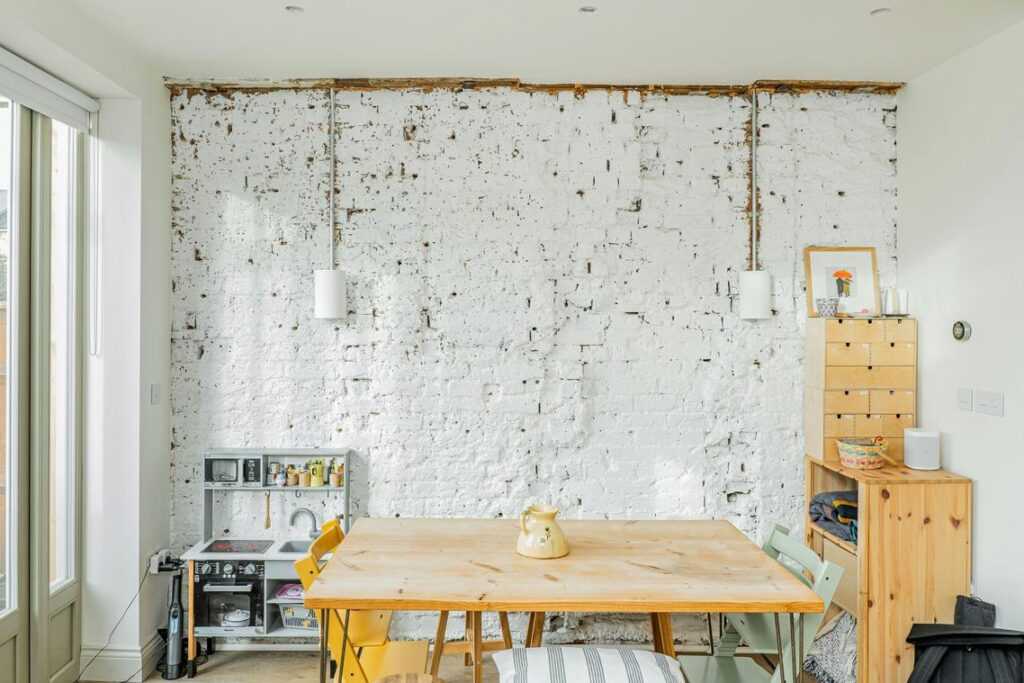
If you’re searching for practical ways to create a calmer, more organized home, you’re likely overwhelmed by clutter that keeps creeping back. This article is designed to help you take control with realistic, sustainable solutions that work for real households—not just picture-perfect spaces. We’ll walk through proven family decluttering strategies that reduce chaos, streamline daily routines, and make it easier for everyone in your home to maintain order.
Instead of vague advice, you’ll find clear, actionable steps tailored to busy families, shared spaces, and high-traffic areas. From setting up simple sorting systems to building habits that stick, every recommendation is grounded in modern home organization principles and practical interior care methods.
Our guidance draws from tested home organization frameworks, design best practices, and hands-on experience with maintaining functional, clutter-free living environments. By the end, you’ll have a straightforward plan to declutter with confidence—and keep your home feeling fresh, functional, and truly livable.
From Chaos to Calm
If you feel like you’re fighting clutter alone, you’re not imagining it. The constant shuffle of toys, papers, and laundry can spark stress—and resentment (yes, even in the most loving homes). Organization isn’t about perfect shelves; it’s about shared systems.
Start with simple, collaborative habits:
- Create clear drop zones for daily items
- Assign age-appropriate responsibilities
- Set 10-minute nightly resets
- Rotate and donate unused items regularly
These family decluttering strategies turn chores into teamwork. The payoff? A calmer space, capable kids, and fewer “Who left this here?” moments.
The Foundation: Getting Everyone on the Same Page
Before buying bins or labeling drawers, pause. First, hold a “State of the Home” meeting. Think of it as Team Household: Strategy Session rather than Parent Lecture 101. On one side, you have Option A: silent frustration, random clean‑ups, and the classic “Who left this here?” debate. On the other, Option B: open discussion about what’s working, what isn’t, and how to fix it together. The difference is night and day.
Next, define “organized” as a group. For one person, it means clear counters; for another, it means knowing exactly where the game controller lives (no more treasure hunts). Create a shared vision so everyone rows in the same direction.
Finally, focus on benefits over rules. An organized home means less time cleaning and more time for movie nights. Pro tip: borrow simple family decluttering strategies to assign small, age‑appropriate zones. When everyone sees the payoff, buy‑in becomes natural.
The Action Plan: A 3-Step Method for Decluttering as a Team
Last spring, I stood in our hallway staring at three mismatched shoes, a stack of unopened mail, and a soccer ball (how does it always roll there?). That was the moment I realized decluttering couldn’t be a solo mission. It had to be a team sport.
Here’s the simple framework that changed everything.
Step 1: Zone Defense
Zone Defense means assigning each family member ownership of a specific area. Ownership creates accountability without overwhelm. My daughter took the bookshelf. My partner claimed the entryway closet. I handled the garage corner that had quietly turned into a “mystery pile.”
Some argue kids shouldn’t be responsible for shared spaces. I disagree. When ownership is clear, pride follows. (And yes, sometimes gentle reminders follow too.)
Step 2: Make It a Game
We introduced the 15-Minute Dash—set a timer and race the clock. Research shows timed challenges increase focus and task completion (Cirillo, 2006). We also play “Donation Treasure Hunt,” spotting items someone else might love.
Pro tip: small rewards—like choosing dinner—boost participation without turning it into a bribery system.
Step 3: The Keep, Donate, Relocate System
Three boxes. Every item must land in one. Relocate simply means returning something to its proper home. Teaching this decision-making process builds confidence and reduces clutter rebound.
If your chaos extends beyond the hallway, explore garage organization systems for a clutter free space for larger-scale resets.
These family decluttering strategies work because they’re shared, simple, and repeatable. And when everyone plays a part, the hallway finally stays clear.
Room-by-Room Strategies for a Simplified Family Home
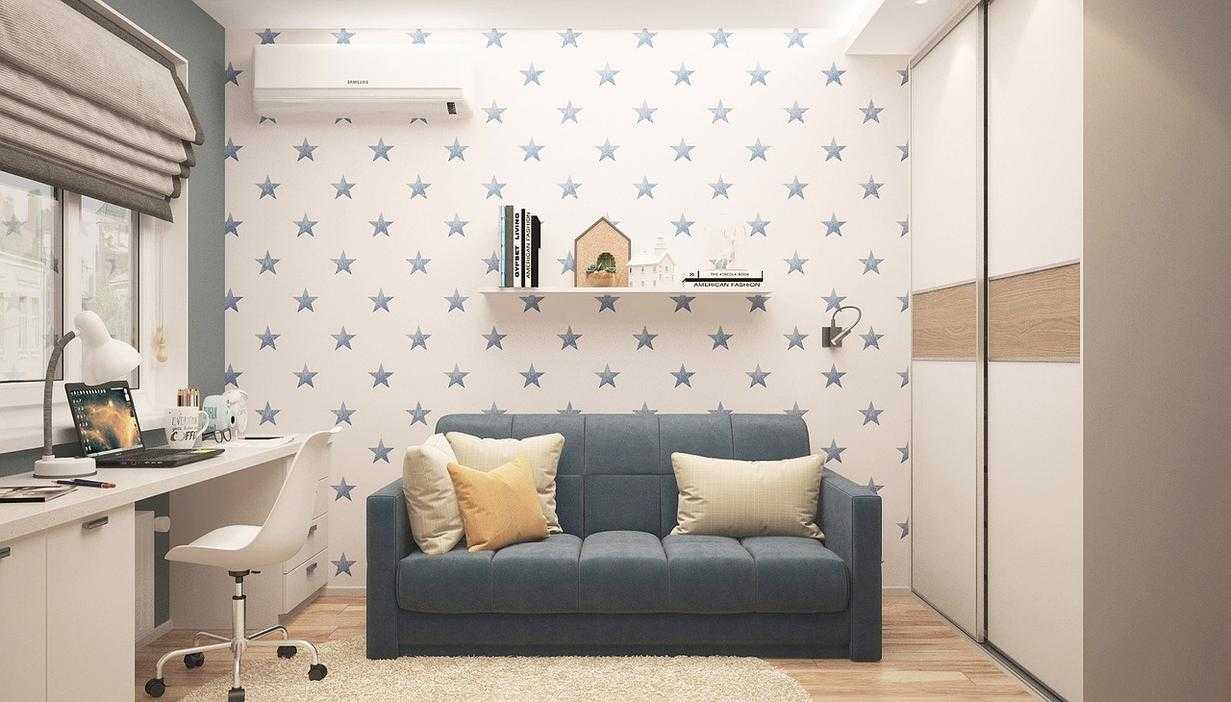
Creating a streamlined home doesn’t require a weekend-long purge. It starts with practical systems that make tidying almost automatic (yes, really).
The Entryway: Your Launch Pad
Think of the entryway as mission control. If it’s chaotic, the whole house feels chaotic.
Try the “one hook, one bin” rule per person:
- Install one sturdy hook for backpacks or coats.
- Place one labeled bin underneath for shoes or gear.
For younger kids, use color-coded or picture labels so they can identify their spot instantly. When everything has a home, the after-school drop becomes a 30-second routine instead of a daily scavenger hunt.
The Living Room: The Toy Library Method
Overflowing toy baskets are visual noise. Instead, create a “Toy Library” system:
- Keep a small, curated selection in accessible bins.
- Store the rest in a closet.
- Rotate weekly or monthly.
Kids engage longer with fewer choices (studies on choice overload support this concept; see Iyengar & Lepper, 2000). Rotation keeps toys feeling “new” without buying more (your wallet will thank you).
Kids’ Bedrooms: Designed for Independence
Accessibility is everything. Use low shelves, open bins, and picture labels on drawers so kids can put things away independently.
Establish a Nightly Reset:
- Five-minute timer.
- Clear the floor.
- Return items to labeled spots.
Consistency beats intensity. Small daily resets prevent weekend overwhelm.
The Kitchen: Empowered Autonomy
Designate a snack drawer and drink station within reach. Pre-portion snacks in clear containers. Keep cups on a low shelf.
This reduces constant requests and builds responsibility (and saves you from playing short-order cook).
When applied together, these family decluttering strategies create structure without rigidity. The goal isn’t perfection. It’s predictable systems that make calm the default setting in your home.
Making It Last: Building Sustainable Organizational Habits
Good organization isn’t a one-time glow-up; it’s a lifestyle (like flossing, but with fewer lectures from your dentist). The secret? Simple, repeatable systems.
Start with the One-In, One-Out Rule. When something new enters the house, something old leaves. It’s a boundary-setting habit that prevents clutter creep before it starts. Yes, even for that “limited edition” mug.
Next, try a Weekly Power Hour. One hour. Everyone tidies their zone. Blast music. Race the clock. Winner gets bragging rights (and maybe control of the playlist).
Don’t forget to Celebrate Progress. Praise effort, not perfection. Organized the playroom? Cue movie night.
These small family decluttering strategies work because they’re consistent, realistic, and just structured enough to keep chaos from staging a comeback.
An orderly home isn’t a solo performance; it’s a family orchestra tuning to the same rhythm. When everyone carries a note, the noise fades. The real goal was simple: end the exhausting loop of constant tidying and family friction. Instead of playing cleanup referee, try one small shift this week:
- Start an ‘Entryway Reset’ together each evening.
Small, shared habits—like family decluttering strategies—turn chaos into harmony. Begin today, and watch connection grow. Together, consistently.
Create a Home That Finally Feels Under Control
You started this guide because the clutter feels overwhelming and your home no longer reflects the calm, organized life you want. Now you have practical tools, smart systems, and realistic family decluttering strategies to reset your space and keep it that way.
When surfaces are crowded and storage is chaotic, stress builds fast. But with the right structure, clear routines, and intentional organization, your home can shift from frustrating to functional.
The next step is simple: choose one room and apply what you’ve learned today. Start small, stay consistent, and build momentum.
If you’re ready for a cleaner, more peaceful home without the guesswork, explore our top-rated organization guides and proven clean-home systems. Thousands trust our practical solutions to simplify their spaces — and you can too.
Don’t let clutter take over again. Take control today and transform your home into the pristine, organized space your family deserves.