Ever find yourself sneezing like crazy at home, even after a deep clean? I get it. It’s beyond frustrating.
You think you’ve got a spotless place, but your nose says otherwise.
Here’s the kicker: a clean-looking home doesn’t mean a dust-free home environment or allergen-free space. That’s why I’m diving into this. I’ve seen it all and done my homework on what really lurks in our living spaces.
It’s more than just wiping surfaces. We’re talking about a system designed for long-term relief from those annoying allergens.
No fluff, no temporary fixes. You want real, lasting results. This article will give you the lowdown on creating a living space that doesn’t make you feel like you’re camping in a pollen field.
Ready to breathe easier at home? Let’s get started.
What’s Sneaking Into Your Home: The Allergy Offenders
Allergies inside? Yep, they’re lurking. Dust mites are microscopic troublemakers living in your bedding and carpets. They thrive in warmth and humidity (like a cozy bed).
These critters leave behind waste that triggers allergic reactions. You can’t see them, but trust me, they’re there.
Pet dander? Another beast entirely. It’s those tiny flakes of skin from our furry friends that get everywhere, sticking around long after pets leave the room.
Love your pets but hate the sneezes? I get it.
Then there’s mold spores, often hiding in damp corners of your home. Basements and bathrooms? Prime real estate for mold.
They release spores into the air, making life tough if you’re sensitive. Ventilate these areas to keep mold at bay.
Oh, and don’t forget pollen. Sounds like an outdoor problem, right? Wrong.
It sneaks in on clothes, shoes, and even through open windows, making a dust-free home environment more complicated than it seems.
Understanding these allergens is key. Knowing where they hang out helps us tackle them. Want more tips?
Check out carpet care keeping clean fresh. We need strategies to fight back. Let’s handle this together.
Allergen-Free Zone: Action Plans for Every Room
Creating a dust-free home environment might sound like a pipe dream, but trust me, it’s possible. Let’s break it down room by room, so you can breathe easy without sneezing every five minutes.
The Bedroom: Your Sleep Sanctuary
This is where you recharge, so let’s keep it spotless. First off, allergen-proof mattress and pillow covers are a must. They’re lifesavers.
You might ask, “Do I really need these?” Yes, you do. They block out dust mites, those microscopic nightmares that love your bed just as much as you do.
Pro tip: Wash your bedding in hot water weekly. And I mean hot, at least 130°F. It kills dust mites dead.
If you like floors, choose hard flooring over carpets. Carpets are just dust bunnies waiting to multiply. Declutter your space too.
Less stuff equals fewer places for dust to hide.
The Living Area: Clearing the Air Where You Gather
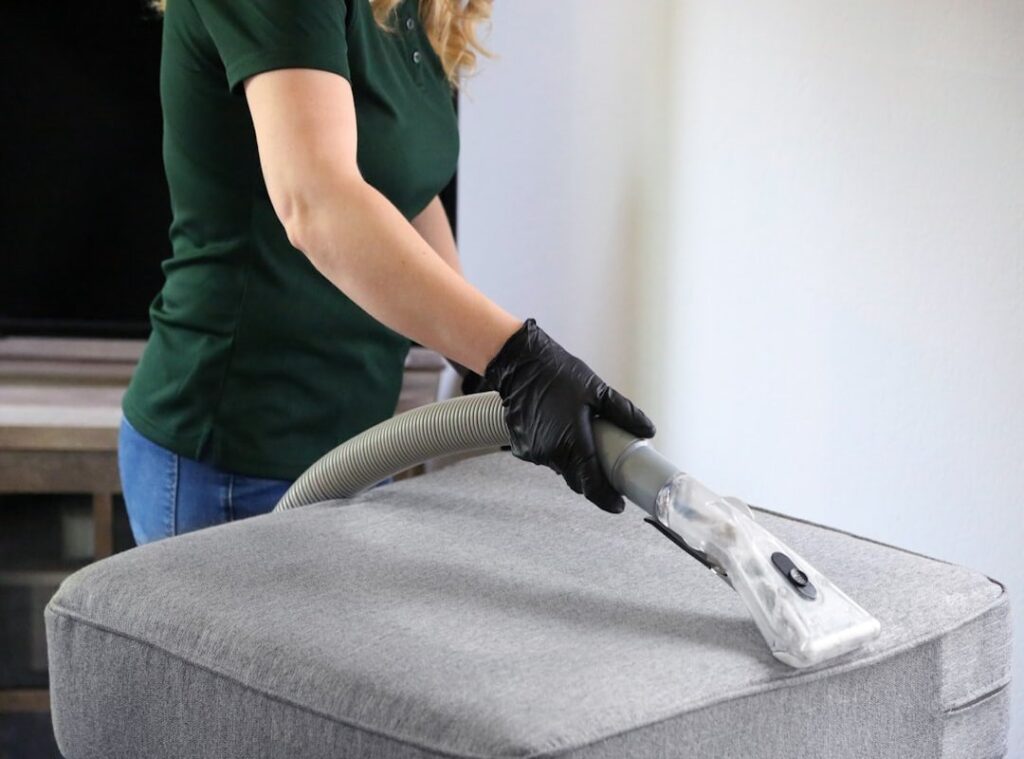
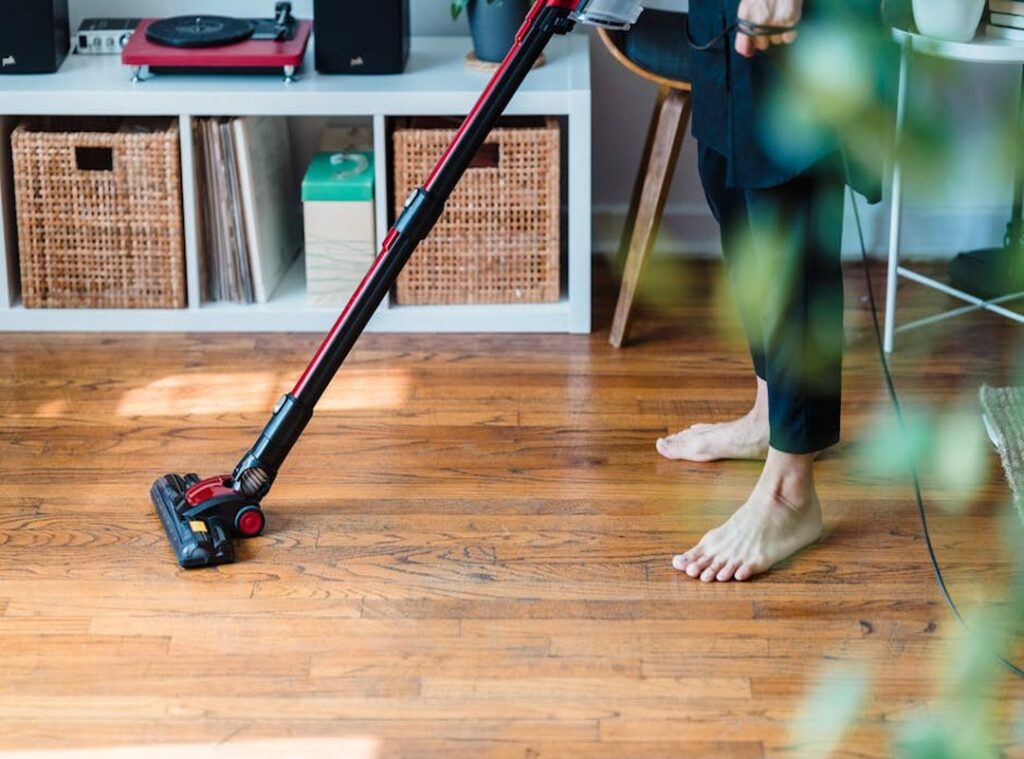
This space seems innocent until you realize upholstery, curtains, and rugs are secret allergen dens. Use a vacuum cleaner with a HEPA filter. Not just any old vacuum.
What about your comfy couch? Fabric furniture is cozy but tricky. Leather or wood alternatives might be better, but if you can’t part with fabric, clean it regularly.
The HEPA filter traps fine particles and allergens.
Feather pillows and throws are traps. Wash or replace them often.
Oh, and speaking of alternatives, have you considered looking into dust free indoor air quality solutions? They’re great for keeping the air in your living space clean.
The Kitchen & Bathroom: Winning the War on Moisture
Let’s be real. Kitchens and bathrooms are mold and mildew hotspots. It’s a constant battle.
Check under sinks and clean refrigerator drip pans. Moisture loves those spots.
Exhaust fans are your best friend here. Use them. Seriously, every time you shower or cook.
It’s about keeping moisture levels down. Non-toxic cleaning solutions work wonders on grout. So, if you see mold trying to take over, scrub it out but keep those chemicals at bay.
Remember to look behind toilets and under kitchen appliances for sneaky spots. They become mold factories if ignored. You might think it sounds over the top, but it’s about vigilance.
Final Thoughts
A dust-free home environment isn’t just about cleanliness; it’s about health. Taking these small but effective steps in each room can make a world of difference, especially when allergies hit hardest during seasonal changes. Each action, no matter how small, contributes to a safer, healthier home.
So, is achieving an allergen-free zone doable? Absolutely. It just requires a little effort and the right tools.
Now that I’ve laid out the plan, it’s time to act. Your sinuses will thank you, and honestly, who could blame them?
Beyond Cleaning: High-Impact Habits and Home Upgrades
Ever feel like you’re fighting a losing battle with dust? Yeah, me too. But here’s the thing: instead of scrubbing every inch, why not make your home work for you?

Start with the air. Proper ventilation is a game-changer. Sure, open windows can help, but consider timing.
When pollen counts are high, it might be better to keep them closed.
Air purifiers with HEPA filters? Absolute lifesavers. They trap the stuff you can’t see.
You know, the stuff that makes you sneeze like you’ve got a second job in an allergy commercial. But airflow isn’t the only hero here. Humidity levels play a big role too.
Dust mites and mold love a humid home. Keep them at bay with a dehumidifier. Aim for 30-50% humidity, and you’ll be breathing easier in no time.
Let’s talk decor. Minimalism isn’t just a trend; it’s a plan. Less clutter means fewer surfaces for dust to settle.
Opt for low-VOC paints and hard floors. Carpets are basically dust magnets (seriously, they might as well come with a disclaimer).
Got pets? I love them, but let’s be real. They shed, they track in dirt, and they don’t care about your immaculate home.
Regular grooming helps, especially if you do it outside. And consider pet-free zones. Your bedroom could be a sanctuary (for you, not Fido).
And if you’re looking to learn more about keeping your home pristine, this guide on wood furniture care tips and tricks could be helpful. A dust-free home environment isn’t just a dream; it’s doable with a few smart changes.
Allergy Armor: Your Important Tools
When aiming for a dust-free home environment, you need the right tools. First off, let’s talk about HEPA filters. They’re not just some fancy acronym.
These filters trap tiny particles, making them a must-have for vacuums and air purifiers. Without them, you’re just blowing dust around. Seriously, why bother vacuuming if you’re not using a HEPA filter?
Now, ditch those feather dusters. They’re just spreading the mess. Instead, grab some microfiber cloths.
They trap dust like a pro (and won’t leave you sneezing).
For cleaning, natural alternatives are the way to go. Vinegar and baking soda are simple and effective. Plus, they won’t irritate sensitive noses.
Who needs harsh chemicals, right?
Pro tip: Keep windows closed on windy days. It seems obvious, but you’d be surprised how much dust sneaks in. A clean home starts with the right habits and tools.
Happy cleaning!
Fresh Air Awaits
Indoor allergies can make life miserable. But you don’t need endless scrubbing to fix it. Smart, consistent habits can transform your home into a dust-free home environment.
You’ve got the tools now. Tackle allergens room-by-room, starting with just one place. Sounds easy, right?
It really is. Begin this week. Pick one tip, one room.
You’ll see a difference. Why suffer another day? Get your home healthier, fresher.
If you want comfort back, it’s time to act. Visit livpristclean.com for more takeaways. Your fresh start is a click away.
Don’t wait. Take charge of your space today.
 Content & Lifestyle Specialist
Hazelerina Henry has opinions about household organization hacks. Informed ones, backed by real experience — but opinions nonetheless, and they doesn't try to disguise them as neutral observation. They thinks a lot of what gets written about Household Organization Hacks, Pristine Interior Care Solutions, Home Living Highlights is either too cautious to be useful or too confident to be credible, and they's work tends to sit deliberately in the space between those two failure modes.
Reading Hazelerina's pieces, you get the sense of someone who has thought about this stuff seriously and arrived at actual conclusions — not just collected a range of perspectives and declined to pick one. That can be uncomfortable when they lands on something you disagree with. It's also why the writing is worth engaging with. Hazelerina isn't interested in telling people what they want to hear. They is interested in telling them what they actually thinks, with enough reasoning behind it that you can push back if you want to. That kind of intellectual honesty is rarer than it should be.
What Hazelerina is best at is the moment when a familiar topic reveals something unexpected — when the conventional wisdom turns out to be slightly off, or when a small shift in framing changes everything. They finds those moments consistently, which is why they's work tends to generate real discussion rather than just passive agreement.
Content & Lifestyle Specialist
Hazelerina Henry has opinions about household organization hacks. Informed ones, backed by real experience — but opinions nonetheless, and they doesn't try to disguise them as neutral observation. They thinks a lot of what gets written about Household Organization Hacks, Pristine Interior Care Solutions, Home Living Highlights is either too cautious to be useful or too confident to be credible, and they's work tends to sit deliberately in the space between those two failure modes.
Reading Hazelerina's pieces, you get the sense of someone who has thought about this stuff seriously and arrived at actual conclusions — not just collected a range of perspectives and declined to pick one. That can be uncomfortable when they lands on something you disagree with. It's also why the writing is worth engaging with. Hazelerina isn't interested in telling people what they want to hear. They is interested in telling them what they actually thinks, with enough reasoning behind it that you can push back if you want to. That kind of intellectual honesty is rarer than it should be.
What Hazelerina is best at is the moment when a familiar topic reveals something unexpected — when the conventional wisdom turns out to be slightly off, or when a small shift in framing changes everything. They finds those moments consistently, which is why they's work tends to generate real discussion rather than just passive agreement.