
Great lighting can completely transform the look, feel, and functionality of your home. If you’re searching for practical, stylish ways to elevate your space, this guide to modern interior lighting tips will show you exactly how to create a clean, balanced, and beautifully illuminated environment.
Many homeowners struggle with rooms that feel dim, flat, or harshly lit without knowing why. The truth is, thoughtful lighting design is just as important as furniture or décor. In this article, you’ll learn how to layer lighting effectively, choose the right fixtures for different spaces, and enhance both ambiance and practicality without overcomplicating your setup.
Our recommendations are based on proven interior design principles, current home styling trends, and practical solutions that work in real households. Whether you’re refreshing one room or rethinking your entire home’s atmosphere, you’ll find clear, actionable insights to help you achieve a cleaner, more modern look with confidence.
Beyond the Bulb: A New Philosophy for Home Lighting
Lighting, first and foremost, is architecture’s silent partner. A single overhead bulb might brighten a room, yet it rarely flatters it. Poor lighting flattens color, exaggerates clutter, and dates even minimalist spaces (yes, even that “timeless” gray sofa).
Instead, think in layers: ambient (overall glow), task (focused light for work), and accent (dramatic highlights). This framework creates depth and cohesion. While some argue natural light alone is enough, evenings—and reality—say otherwise.
Here’s my prediction: smart, adaptive systems will soon become standard, adjusting tone by time of day. For now, follow modern interior lighting tips and prioritize dimmers—your future self will thank you.
The Foundation: Mastering the Three Layers of Light
What Is Layered Lighting?
Layered lighting is the professional approach of combining three distinct types of light to create depth, functionality, and ambiance in a space. Think of it like building a soundtrack for a film: you need background music, dialogue, and dramatic highlights. Some argue that one bright overhead fixture is enough (and yes, it’s cheaper and simpler). But flat lighting flattens a room. Without layers, even the most thoughtfully designed interior can feel like a waiting room.
Layer 1 – Ambient Lighting
Ambient lighting is your foundation. It provides overall illumination and sets the tone. Recessed lights offer a clean, streamlined look. Modern chandeliers add sculptural interest. Flush-mount fixtures work beautifully in lower ceilings. Critics say ambient lighting alone keeps things minimal. True—but minimal doesn’t have to mean monotonous. A balanced glow prevents harsh shadows and eye strain (your future self will thank you).
Layer 2 – Task Lighting
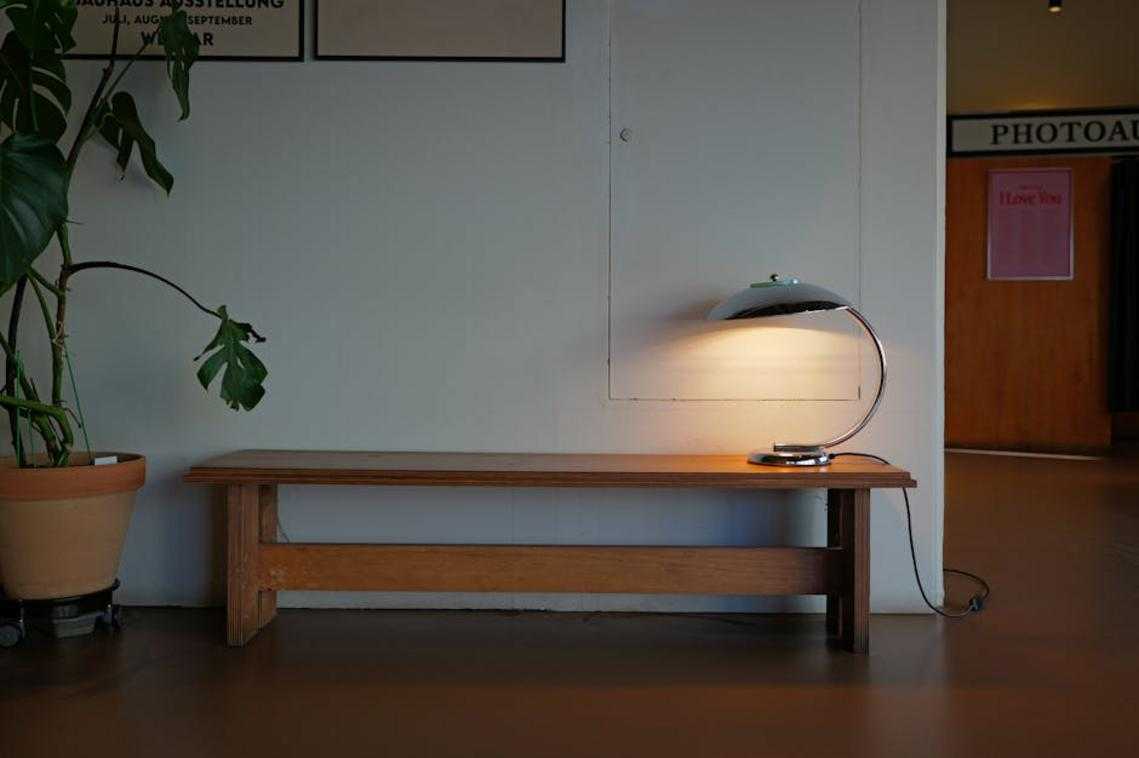
Task lighting is focused light for specific activities. Under-cabinet LEDs in kitchens reduce shadows on countertops. A sleek floor lamp transforms a forgotten corner into a reading nook. Minimalist desk lamps sharpen concentration in home offices. Some believe task lights clutter a room. In reality, when chosen intentionally, they enhance both form and function. Pro tip: aim for adjustable fixtures to control brightness as needs shift.
Layer 3 – Accent Lighting
Accent lighting highlights architectural details or décor. Track lighting draws attention to artwork. Picture lights elevate gallery walls. Uplighting emphasizes plants or textured surfaces (instant drama, no renovation required). While skeptics call it unnecessary flair, accent lighting creates mood and depth—something a single bulb simply can’t achieve.
modern interior lighting tips in the section once exactly as it is given
Master the layers, and your space won’t just be lit—it will live.
Choosing Your Tools: Selecting Contemporary Fixtures
Form Follows Function
First and foremost, contemporary design starts with purpose. Form follows function means a fixture’s job—lighting a workspace, directing task light, or anchoring a dining table—comes before how it looks. When you choose with function in mind, you avoid clutter and gain a space that works effortlessly for daily life (no more squinting under moody but useless lighting). The benefit? Better flow, better visibility, and fewer costly replacements.
Material and Finish
Next, consider materials that reinforce a clean aesthetic. Matte black feels bold yet restrained. Brushed brass adds warmth without glare. Chrome reflects light for a crisp finish. Natural wood softens modern lines and pairs beautifully with blending natural materials into modern home spaces.
| Finish | Best For | Visual Impact |
|————–|————————|————————|
| Matte Black | Kitchens, offices | Bold, grounded contrast|
| Brushed Brass| Dining, living rooms | Warm, subtle elegance |
| Chrome | Bathrooms | Sleek, reflective |
| Natural Wood | Bedrooms, entryways | Organic softness |
The Power of Simplicity
Then, lean into minimalist or sculptural silhouettes. Clean lines and geometric shapes create visual calm. Ornate scrollwork, on the other hand, can disrupt a pristine look (think Victorian cameo in a sci‑fi film). Simplicity ensures longevity and easier coordination.
Scale and Proportion
Finally, size matters. A chandelier’s diameter should equal the room’s length plus width (in feet) converted to inches. Pendants should hang 30–36 inches above an island. Following modern interior lighting tips in the section once exactly as it is given ensures balanced illumination and a polished result. The payoff? A harmonious space that feels intentionally designed and effortlessly modern.
The Smart Home Integration: Light for a Modern Lifestyle
Smart lighting is no longer a novelty—it’s a design essential. Beyond the basic switch, today’s systems include dimmers, smart bulbs, and fully integrated platforms like Philips Hue and Lutron. These tools don’t just turn lights on and off; they shape how a room feels and functions. (Yes, lighting can make or break your mood faster than a Monday morning email.)
Some argue traditional fixtures work just fine. And they do—technically. But smart systems offer precision and flexibility that static lighting simply can’t match. With app or voice control, you adjust brightness, automate schedules, and reduce energy waste—benefits that pay off in comfort and cost savings (U.S. Department of Energy).
Color temperature is key. Measured in Kelvin (K), it defines whether light appears warm or cool:
• 2700K–3000K: Warm, cozy tones for bedrooms and living rooms
• 3500K–4500K: Crisp, cool light ideal for kitchens and home offices
Automation elevates the experience further. Create custom scenes like:
• Movie Night – Dimmed warm glow
• Dinner Party – Soft layered lighting
• Focus Mode – Bright, cool clarity
These modern interior lighting tips transform routine spaces into adaptable environments—effortlessly aligning design with daily life.
Common Lighting Mistakes and How to Fix Them
Ever walk into a room and feel something is off? Maybe the light feels harsh or strangely flat. Are you relying on a single ceiling fixture? That creates shadows and kills depth. Layer your lighting instead. Use a mix of ambient, task, and accent lights.
- Overhead for general glow
- Lamps for focus
- Wall lights for mood
Have you skipped dimmers? Without control, spaces feel rigid. Install dimmers on fixtures for flexibility. Using daylight bulbs in living room? Match Kelvin temperature to function—warm for relaxing, cool for working.
modern interior lighting tips.
Your blueprint starts with intention. You now have the professional framework—layering, smart technology, and careful fixture selection—to execute a flawless contemporary lighting plan. No more living in a space that’s poorly lit, dated, or unflattering. Instead, create balance through three clear steps:
- Audit each room’s function.
- Layer ambient, task, and accent lighting.
- Install dimmers and warm LEDs.
This layered approach works because it blends beauty with utility—like staging your own HGTV-worthy reveal (yes, that dramatic).
Pro tip: choose 2700K–3000K bulbs for inviting, flattering light.
Start with one room, plan deliberately, and build your cleaner, brighter home today. Right now. Together.
Create a Space That Finally Feels Right
You came here looking for practical ways to elevate your home with cleaner design, smarter organization, and intentional details. Now you have the tools to transform cluttered, dull spaces into calm, functional environments that truly reflect your lifestyle.
A disorganized home and poor lighting don’t just affect aesthetics — they drain your energy, disrupt focus, and make daily routines harder than they need to be. By applying thoughtful layout strategies, consistent upkeep habits, and modern interior lighting tips, you’re not just improving your space — you’re improving how you live in it.
The next step is simple: start with one room today. Declutter one surface. Upgrade one lighting fixture. Implement one smart organization system. Small, intentional changes create lasting impact.
If you’re ready for a home that feels lighter, cleaner, and effortlessly put together, explore our proven clean-living guides and top-rated interior care solutions trusted by thousands of modern homeowners. Don’t let overwhelm hold you back — take control of your space now and experience the difference a pristinely organized home can make.