
Creating a home that feels calm, functional, and effortlessly beautiful doesn’t happen by accident. You’re here because you want practical, reliable guidance on elevating your space—without clutter, confusion, or costly mistakes. This article is designed to help you achieve exactly that by combining clean lifestyle essentials with actionable modern home design principles you can apply right away.
We break down how to simplify your surroundings, choose purposeful décor, and implement pristine interior care solutions that keep your home looking fresh year-round. You’ll also discover smart household organization hacks that make everyday living smoother and more intentional.
Our recommendations are grounded in proven design strategies, practical home care methods, and real-world organization systems that prioritize both aesthetics and functionality. By the end, you’ll have a clear roadmap to transform your space into a refined, clutter-free environment that supports a cleaner, more balanced lifestyle.
Why Contemporary Homes Feel So Overwhelming
If you’ve ever scrolled through endless inspiration feeds and thought, “Why does my space never look that calm?” you’re not alone. Contemporary design often feels exclusive, expensive, and confusing (and yes, that’s frustrating).
At its core, it’s simpler than influencers make it.
Clarity beats clutter every time.
Follow these essentials:
- Clean lines and open layouts
- Neutral palettes with intentional contrast
- Functional spaces that reduce visual noise
- Natural light as a primary design feature
These modern home design principles prioritize livability over trends—because no one wants a showroom that feels like a museum.
Simplicity in Form: The Power of Clean Lines and Unadorned Surfaces
Contemporary spaces thrive on the “less is more” philosophy. That means prioritizing strong horizontal and vertical lines and letting geometric shapes—cubes, rectangles, even bold curves—speak for themselves. Ornate trim and excessive detailing only distract from form. If you’re designing or renovating, choose streamlined silhouettes over decorative flourishes. A crisp rectangular volume will age far better than trendy embellishments.
For exteriors, opt for flat or low-pitched roofs, asymmetrical facades, and expansive, unadorned windows. These elements create a sleek profile that feels intentional rather than busy. When selecting materials, stick to a tight palette and let structure carry the visual weight. This approach reflects modern home design principles and ensures cohesion from every angle.
Inside, continue the discipline. Install handleless cabinetry, flush baseboards, and skip crown molding altogether. The absence of visual noise creates a calm backdrop for daily life. To achieve this:
- Choose built-in storage to conceal clutter
- Align furniture with architectural lines
- Limit décor to a few sculptural pieces
Clean lines aren’t cold; they’re clarifying. When every element has purpose, your home feels organized, breathable, and quietly confident. Simplicity ultimately amplifies beauty through restraint. Choose wisely.
Harnessing Natural Light: Blurring the Lines Between Indoors and Out
For years, homeowners were told that walls equal privacy and privacy equals comfort. I disagree. Sometimes, the most comforting spaces are the ones that feel almost boundaryless.
Floor-to-ceiling windows, clerestory windows (those narrow bands of windows placed high on walls), and expansive sliding or folding glass doors transform windows into architectural statements rather than afterthoughts. The idea is simple: let daylight do the heavy lifting. When glass replaces drywall, rooms feel less confined and more connected to the world outside. It’s not about showing off—it’s about spatial psychology (yes, that’s a thing).
Critics argue that too much glass sacrifices coziness. But with thoughtful placement and shading, light becomes an asset, not a glare problem. In fact, natural light is the most underrated design tool in any home. It highlights textures, keeps colors true, and reduces dependence on artificial lighting.
Contemporary layouts guided by modern home design principles prioritize sightlines to gardens, courtyards, or even a single sculptural tree. These visual anchors ground the space.
The payoff? Brighter rooms feel larger, cleaner, and more restorative. (There’s a reason every dreamy movie home has sunlight pouring in.) Natural light doesn’t just illuminate a house—it elevates how you live in it.
Honest Materials and Sustainable Choices
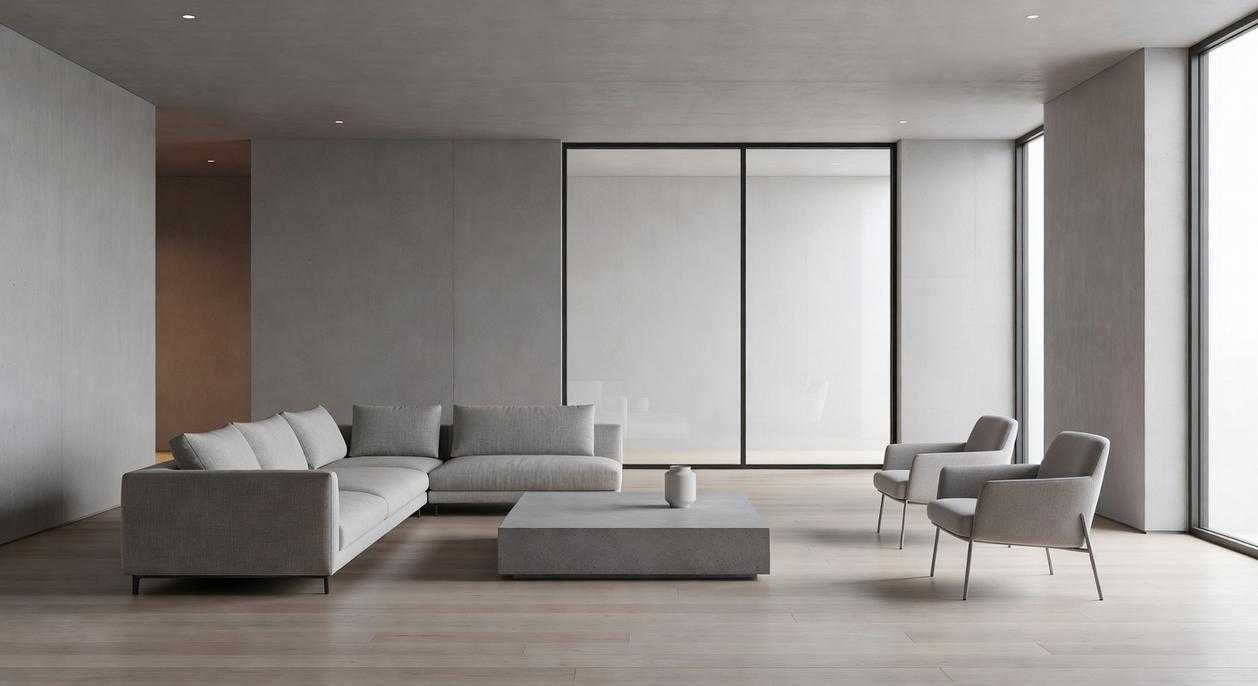
Have you ever wondered why a room with exposed concrete and raw wood feels more grounded than one wrapped in glossy finishes? Celebrating natural textures means letting materials speak for themselves. Exposed concrete, cedar, fir, stone, and steel aren’t hidden behind paint or polish. Instead, their grain, pores, and subtle imperfections become the design. (Turns out, knots in wood have more personality than most décor trends.) This approach reflects modern home design principles by valuing authenticity over ornament.
At the same time, sustainability is no longer optional—it’s expected. Why choose materials that harm the planet when better options exist? Consider:
- Recycled or locally sourced stone and timber to reduce transport emissions.
- High-performance insulation that lowers energy use year-round.
- Energy-efficient systems that cut utility costs and environmental impact.
According to the U.S. Green Building Council, green buildings can reduce energy use by up to 25%.
Still, some argue concrete and steel feel cold or industrial. Fair point. Yet when paired with warm woods and soft textiles, contrast creates balance. The result? Spaces that feel sophisticated but inviting. If you’re exploring how to use neutral color palettes for a contemporary look, notice how texture—not color alone—carries the warmth. Isn’t that what truly makes a home feel alive?
The Open Concept and a Focus on Functional Flow
Open floor plans have become the backbone of designing for modern life. Instead of boxed‑off rooms, the kitchen, dining, and living areas blend into one cohesive space. As a result, families can cook, relax, and entertain without feeling separated. (It’s the difference between shouting through walls and actually being part of the conversation.) This layout encourages informal living and makes even smaller homes feel expansive.
However, openness alone isn’t enough. The real magic lies in flow—how you naturally move from one area to another. Architects minimize unnecessary hallways and position furniture to guide circulation intuitively. In other words, your home should “make sense” the moment you walk in. Applying modern home design principles ensures every square foot works harder and feels purposeful.
To create better flow in your own space, focus on:
- Clear pathways: Keep walkways at least 36 inches wide to avoid bottlenecks.
- Defined zones: Use rugs or lighting to subtly separate functions without walls.
- Smart storage: Hidden cabinets and built‑ins reduce visible clutter.
Ultimately, open layouts support flexibility and organization. Clean sightlines reduce stress and make tidying easier. And when everything has a place, maintaining a minimalist, efficient home becomes far more achievable.
Building a future-proof home starts with clarity. Contemporary architecture can sound abstract, but it simply means designing around light, space, and purpose. In other words, every wall, window, and walkway should earn its place.
To put it plainly, clean lines are straight, uncluttered edges; natural materials include wood, stone, and linen; open concepts reduce unnecessary walls to improve flow.
As a quick checklist, consider:
- Maximizing natural light
- Choosing durable, honest materials
- Prioritizing flexible layouts
By applying modern home design principles consistently, you create a home that adapts gracefully over time. This approach prevents costly redesigns later on.
Create a Home That Feels Effortlessly Pristine
You came here looking for smarter ways to simplify your space and bring more calm into your home. Now you have the tools — from decluttering strategies to modern home design principles — to turn everyday chaos into organized clarity.
A cluttered, poorly designed space doesn’t just look overwhelming — it feels overwhelming. When your home lacks structure and flow, it drains your energy and focus. But with the right systems, intentional layouts, and simple upkeep routines, you can create a space that works for you instead of against you.
The next step is simple: start small and be consistent. Choose one room, apply the organization hacks you’ve learned, and refresh it using clean design foundations that promote openness and function.
If you’re ready to transform your space faster and with confidence, explore our proven home care solutions and design guides. We’re proud to be a trusted source for practical, results-driven home inspiration. Start today and experience how a truly pristine space can elevate the way you live every single day.