
If you’re searching for practical ways to make your home feel bigger, calmer, and more functional, you’re in the right place. This guide is designed for anyone looking for small space living solutions that actually work in real homes—not just in perfectly staged photos. Whether you’re in a compact apartment, a cozy condo, or simply trying to maximize every square foot, we’ll show you how to create a clean, organized, and beautifully efficient space.
We’ve analyzed proven interior design principles, consulted organization experts, and tested modern home layout strategies to bring you ideas that are both stylish and realistic. Inside, you’ll find smart storage upgrades, clutter-control systems, and layout adjustments that instantly improve flow and comfort.
By the end, you’ll have clear, actionable steps to transform tight areas into thoughtfully designed spaces that feel open, intentional, and effortlessly maintained.
Compact living is no longer a niche trend; in fact, one in four urban households now occupies under 750 square feet (U.S. Census Bureau). As cities grow denser, the real challenge becomes making tight quarters feel open, calm, and functional rather than cramped. Research from the National Association of Home Builders shows buyers consistently prioritize storage and layout efficiency over raw size. Therefore, smart design is less about sacrifice and more about intention. By applying small space living solutions—like vertical shelving, multiuse furniture, and concealed storage—you can reclaim visual breathing room. See our modern guide for details and practical examples.
Furniture That Works Harder: The Multi-Functional Advantage
In a compact home, space is currency. The core rule is simple: every piece of furniture should serve at least two purposes to justify the square footage it occupies. If it can’t multitask, it’s probably costing you comfort (and clutter).
1. Convertible Sleepers
Modern sofa beds and Murphy beds are nothing like the lumpy pull-outs of the past. Today’s designs blend seamlessly into living areas, offering supportive mattresses and sleek frames that look intentional, not improvised. If you host guests even occasionally, choose a streamlined sleeper sofa with built-in storage or a wall bed that folds up into cabinetry. Pro tip: Test the mattress thickness in person—anything under five inches usually sacrifices comfort.
2. Expandable & Nesting Tables
Drop-leaf dining tables, lift-top desks, and nesting coffee tables adapt to your day. Working from home? Lift the surface. Hosting dinner? Expand the leaves. Then tuck everything back in place. This flexibility is essential for small space living solutions that avoid constant visual noise.
- Choose solid wood hinges for durability
- Opt for lightweight nesting sets for easy movement
- Prioritize neutral finishes for versatility
3. Hidden Storage Ottomans
A quality storage ottoman acts as a footrest, extra seat, and concealed organizer. Blankets, remotes, magazines—gone from sight in seconds (like a tidy magic trick). Choose one with a sturdy lid and easy-lift hinge for daily use.
Go Vertical: Unlocking Your Home’s Hidden Storage Potential
Think of your home like a city skyline. When you build up instead of out, everything feels bigger. Drawing the eye upward creates the illusion of height while freeing precious floor space (and who doesn’t want room to breathe?). Vertical design isn’t just stylish—it’s strategic, especially for small space living solutions.
Floor-to-Ceiling Shelving
Tall, narrow bookcases act like library ladders for your life. By stretching storage to the ceiling, you maximize capacity without expanding your footprint. It’s the difference between a ranch house and a skyscraper. Modular units let you adapt as your needs change—books today, baskets tomorrow. Pro tip: Anchor tall shelves to studs for safety and stability.
Wall-Mounted Solutions
Walls are blank canvases waiting for purpose.
- Floating kitchen shelves keep essentials within reach while opening visual space.
- A wall-mounted fold-down desk transforms a living area into a home office (think Transformer, but chic).
- Pegboards in entryways offer customizable organization that evolves with the seasons.
Leveraging “Airspace”
That overlooked gap above doors and windows? Hidden treasure. Install high shelves or over-the-door organizers for items you rarely use. Like storing holiday décor in the attic of your walls, it keeps clutter out of sight but close at hand.
When you go vertical, your home doesn’t just store more—it feels expansive.
Creating Openness: How Light, Color, and Mirrors Expand Your Space
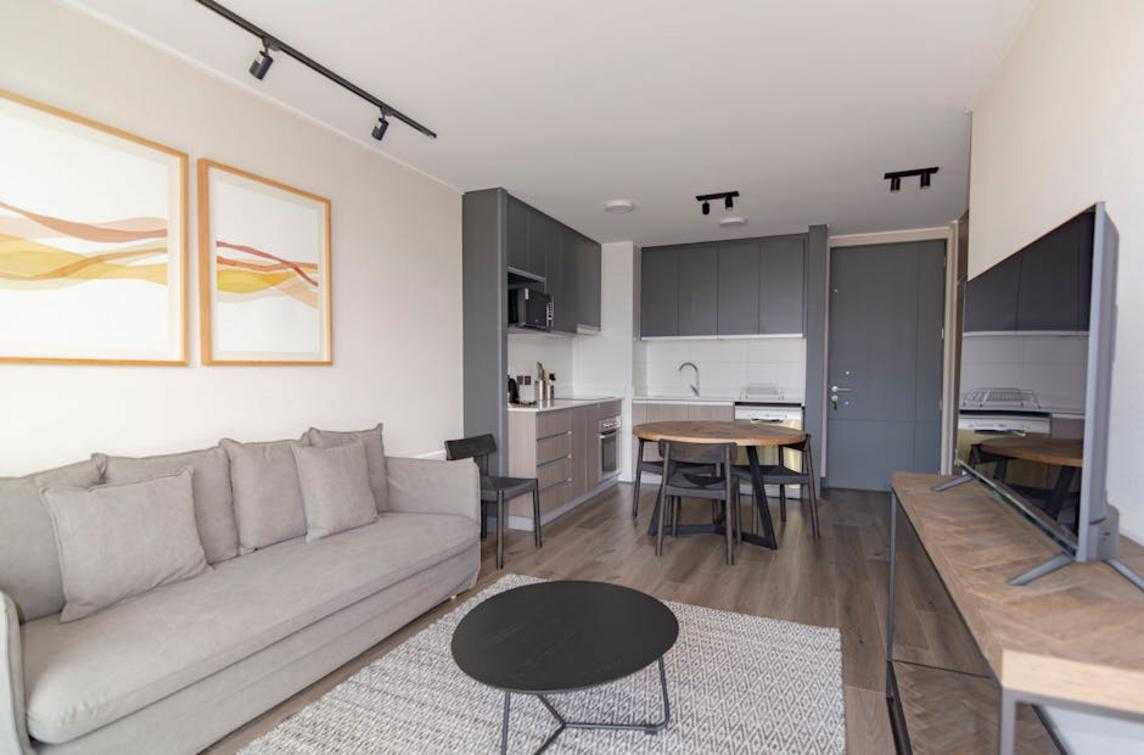
Color, Light, and Visual Weight Matter More Than Square Footage
A smart color palette is the fastest way to make a room feel bigger. Light, neutral shades—whites, soft grays, warm beiges—reflect more light than darker tones. According to research on light reflectance values (LRV), lighter paints bounce significantly more light back into a room, increasing perceived brightness (Sherwin-Williams Color Science). In plain terms: more reflection = more openness. DARK WALLS ABSORB LIGHT. Light walls amplify it.
Some argue bold, dark colors create depth and coziness. True—but in small rooms, that coziness can quickly feel cramped (think “studio apartment cave”). If your goal is airiness, neutrals win.
The power of light goes beyond paint. Maximize natural light with sheer curtains instead of heavy drapes. Then layer artificial lighting: ambient (overhead), task (lamps), and accent (wall lights). The American Lighting Association notes layered lighting reduces shadows and visual strain—eliminating dark corners that visually shrink a room.
Strategic mirror placement doubles the effect. Position a large mirror opposite a window to reflect both light and outdoor views, creating an illusion of added depth (designers have used this trick for centuries—palaces weren’t built brighter by accident).
Finally, choose visually lightweight furniture—raised legs or clear acrylic and glass. Seeing more floor space reduces “visual weight,” making rooms feel less crowded. It’s one of the most practical small space living solutions.
For a broader reset, follow this seasonal home refresh checklist for a more comfortable space.
A Place for Everything: Smart Organization for a Pristine Home
Beautiful design without organization is like a designer handbag stuffed with receipts—stylish, but chaotic. A pristine home starts with systems, not throw pillows. Decluttering (removing unnecessary items to create functional space) is the foundation. A well-designed room with no storage plan (A) quickly becomes cluttered, while a simple room with smart systems (B) stays calm and usable.
Implement Zoning
Open layouts can feel expansive—or overwhelming. Zoning (dividing a room by function) solves this. An undefined living-dining area (A) blurs work and relaxation. Add a rug under the sofa and a pendant over the table (B), and suddenly you have clear destinations. Furniture placement acts like invisible walls (HGTV designers swear by this trick).
Mastering Micro-Organization
Big bins help, but micro-organization transforms daily life:
- Drawer dividers vs. messy utensil piles
- Under-bed storage vs. overstuffed closets
- Clear pantry containers vs. mystery boxes
These small space living solutions prevent the “junk drawer effect.” (We all have one.)
The “One In, One Out” Rule
Buying a new sweater? Donate one. Without this rule (A), clutter grows silently. With it (B), your home self-regulates—like a tidy thermostat.
Pro tip: Reassess every quarter to keep systems working.
Your Compact Home, Redesigned for Effortless Living
A small home can absolutely be a sanctuary of efficiency and style when you design it with intention. In my view, square footage is overrated; smart choices matter more. Multi-functional furniture that hides storage, vertical shelving that draws the eye upward, and thoughtful light and color schemes transform tight rooms. Granted, some argue you simply need more space; however, I believe the cramped feeling fades with smarter space. That’s why small space living solutions work. So, start this week: pick one strategy, rearrange, and notice the shift. You deserve calm, functional surroundings today.
Create a Home That Finally Works for You
You came here looking for practical ways to make your home feel cleaner, calmer, and more functional. Now you have the tools to declutter with purpose, organize smarter, and design a space that supports your daily routine instead of stressing you out.
A cluttered, chaotic home drains your energy. It wastes your time and makes even simple tasks feel overwhelming. The good news? With the right systems and small space living solutions, you can transform even the tightest areas into beautifully efficient spaces that feel open and intentional.
Don’t let mess and disorganization continue to control your environment. Take the next step today—start implementing one strategy from this guide and build momentum from there. If you’re ready for proven, modern solutions trusted by thousands of home enthusiasts, explore our expert-backed tips and resources now. Your home should feel pristine, peaceful, and completely yours—start creating that space today.