If you’re searching for practical, reliable hardwood floor maintenance tips, you likely want clear guidance that actually protects your investment—not generic advice that could cause damage over time. Hardwood floors add warmth and value to a home, but without proper care, they can lose their luster, scratch easily, or warp from moisture exposure.
This article is designed to give you straightforward, effective strategies for preserving your floors’ beauty and durability. We break down daily care routines, deep-cleaning methods, and preventative measures that help extend the life of your hardwood surfaces. Every recommendation is based on proven interior care best practices, product research, and industry-backed cleaning standards to ensure your floors stay pristine.
Whether you’re maintaining newly installed planks or restoring older flooring, you’ll find actionable, easy-to-follow steps that simplify upkeep and help you avoid costly mistakes.
The Secret to Lifelong Luster: A Guide to Pristine Hardwood Floors
Hardwood floors are timeless, yet keeping them flawless isn’t always straightforward. On one hand, daily sweeping and felt pads seem obvious; on the other, experts still debate ideal moisture levels. I’ll admit some finishes react differently, so test products first. Still, consistent hardwood floor maintenance tips make a measurable difference. For example, using microfiber mops reduces micro-scratches compared to string mops, according to flooring manufacturers. Meanwhile, refinishing every 7–10 years can restore sheen, though results vary by wood species. Ultimately, protect against grit like sandpaper underfoot (yes, really). Daily.
Your Daily & Weekly Rituals for Gleaming Floors
Consistent, light cleaning beats the occasional marathon scrub. Think of it like brushing your teeth: small daily habits prevent major interventions later. Floors work the same way. Grit, dust, and debris act like sandpaper under your shoes, creating tiny abrasions (yes, even if you “just cleaned yesterday”). Over time, those micro-scratches dull the finish and make floors look tired.
Daily & Weekly Essentials
Daily Sweep or Dust Mop
Start with a microfiber dust mop. Microfiber fibers are engineered to trap fine particles instead of pushing them around like traditional brooms often do. Remove grit daily to stop damage before it starts. Pro tip: shake out or wash the pad frequently—dirty tools just redistribute grime.
Weekly Vacuuming
Next, vacuum using a hard floor setting or a soft-bristle attachment. Avoid beater bars or rotating brush rolls; they can scuff finishes surprisingly fast. Move slowly and overlap passes for even coverage.
Spot Clean Spills Immediately
Finally, address spills right away with a slightly damp microfiber cloth. Excess water can seep into seams, causing stains or warping.
You might wonder: isn’t a monthly deep clean enough? Not quite. Preventive care preserves shine and reduces refinishing costs (which no one budgets for).
What’s next? Once these habits stick, explore advanced hardwood floor maintenance tips to protect high-traffic zones and seasonal wear.
The Right Way to Deep Clean (And What to Absolutely Avoid)
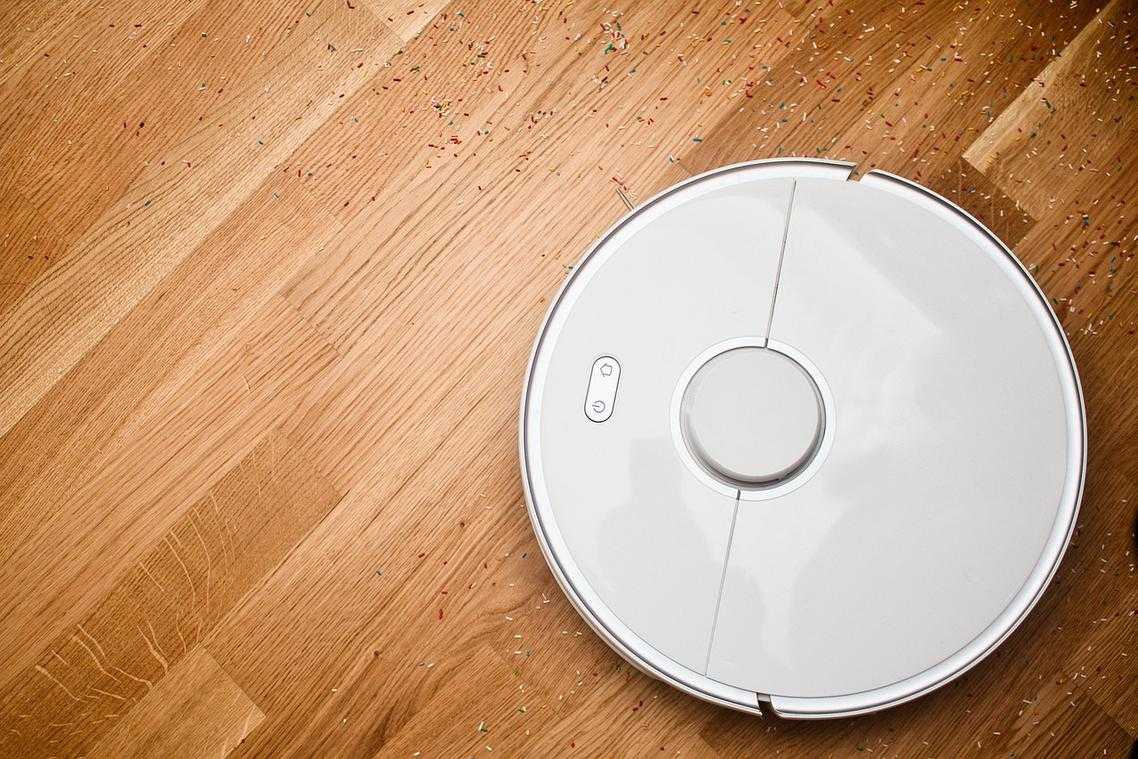
There’s something satisfying about freshly cleaned floors—the subtle sheen, the faint scent of clean air, the soft glide under bare feet. But deep cleaning hardwood isn’t about drenching it every weekend. In fact, when to mop is simpler than most people think: once a month is typically enough, or as needed in high-traffic areas where footprints dull the finish. Over-mopping can leave floors looking cloudy and feeling slightly tacky (never a good sign).
The Damp Mop Method
Instead, use the damp mop method. First, vacuum or sweep so grit doesn’t scratch the surface. Next, lightly mist a microfiber mop with water or a pH-neutral hardwood cleaner. Wring it out thoroughly—it should feel barely damp to the touch. Then glide it gently across the floor, moving with the grain. The floor should dry within minutes, not hours. If you hear squishing, it’s too wet.
The Danger Zone — What NOT to Use
Now, let’s talk about what to absolutely avoid:
- Vinegar: Acidic, which can dull and erode the finish over time (despite the internet hype).
- Ammonia: Harsh fumes and even harsher on protective coatings.
- Steam mops: Heat and moisture can seep into seams, causing warping.
- Oil soaps: Leave residue that attracts dirt and creates buildup.
- Abrasive cleaners: Scratch the finish, leaving a rough, lifeless look.
Addressing Sticky Spots & Grime
For sticky spots, apply a small amount of pH-neutral cleaner designed for hardwood directly to a cloth and gently rub. This targeted approach protects the finish while lifting grime. Follow these hardwood floor maintenance tips consistently, and your floors will keep that smooth, satin glow for years.
Proactive Protection: Preventing Scratches, Dents, and Sun Damage
“Why does my floor look worn after just a year?” a homeowner once asked. The answer is usually simple: prevention wasn’t built into the routine.
Furniture’s Impact: The #1 Rule
If you remember one thing, make it this: every furniture leg gets a felt pad. No exceptions. Felt pads are small adhesive cushions placed under chair and table legs to reduce friction (the force that causes scratches). Choose thick, dense pads for heavy pieces and measure the leg base before buying. Clean the leg bottom, stick firmly, and press for 10 seconds. Replace them when compressed—yes, they wear out.
High-Traffic Solutions
Entryways and hallways take the biggest hit. “Shoes off—or runner down,” as one designer put it. Use area rugs in:
- Entryways
- Hallways
- Kitchens
Always add a breathable rug pad (a ventilated layer that prevents moisture buildup and floor discoloration). Skipping it can trap grit underneath—ironically causing more scratches.
Managing Sunlight
UV rays break down wood fibers and fade stain over time (National Wood Flooring Association). Install curtains, blinds, or UV-blocking window film. Some argue sunlight “adds character.” True—but uneven fading isn’t charming; it’s patchy and permanent (think bad ’90s highlights).
Claws and Paws
“His nails click like tap shoes,” one pet owner laughed. Keep nails trimmed and place waterproof mats under bowls to prevent swelling from spills.
For deeper upholstery strategies, see upholstery care 101 keeping sofas and chairs spotless.
Smart prevention beats costly refinishing. That’s the foundation of hardwood floor maintenance tips.
Decoding the Labels: Choosing Safe and Effective Cleaning Products
Understanding labels starts with pH levels. pH measures acidity or alkalinity on a 0–14 scale. A pH-neutral cleaner (around 7) protects modern polyurethane finishes because extremes can dull or strip the protective layer.
Reading ingredients matters too. Look for water-based formulas and gentle surfactants. Avoid acrylics, waxes, and harsh solvents—they can leave residue or cause buildup (that cloudy haze isn’t “shine”).
Finish-specific care is crucial. Surface-sealed floors sit on top; penetrating-seal or oil-finished floors absorb treatment and need different products.
• Pro tip: follow hardwood floor maintenance tips consistently every time.
Your Action Plan for Flawless Floors
You now have everything you need. The fear of ruining your hardwood is replaced with a clear plan built on smart hardwood floor maintenance tips and simple habits.
Here’s my recommendation: start small and stay consistent. Add felt pads to every chair leg. Choose a high-quality microfiber dust mop for daily sweeps. Clean spills immediately (yes, even tiny ones).
Prevention beats repair every time.
This system works because it’s gentle and proactive. Instead of sanding and refinishing later, you’re protecting daily. Pick one upgrade today and implement it. Small changes now protect your floors for years.
By ensuring your hardwood floors are well-maintained and protected, you can create a harmonious backdrop that beautifully complements the chic aesthetics of your home, especially when incorporating tips from our guide on How to Use Neutral Color Palettes for a Contemporary Look.
Keep Your Floors Looking Flawless for Years to Come
You came here looking for practical, no-nonsense ways to protect your hardwood floors and keep them looking beautiful. Now you know exactly how to prevent scratches, control moisture, clean safely, and build simple habits that preserve their natural shine.
The truth is, hardwood floors lose their elegance when they’re neglected or cleaned the wrong way. Scratches, dullness, and warping can turn a stunning space into a constant frustration. But with the right hardwood floor maintenance tips, you can protect your investment and keep your home feeling polished and welcoming every single day.
Now it’s time to take action. Start applying these strategies consistently, upgrade your cleaning routine, and be proactive instead of reactive. If you want even more smart, easy-to-follow solutions for maintaining a pristine, organized home, explore our trusted clean living guides today. Thousands of homeowners rely on our proven tips to simplify upkeep and protect what matters most.
Your floors deserve better care. Start today and enjoy a home that always feels fresh, refined, and effortlessly maintained.
 Home Care & Organization Advisor
Ask Dawnarina Conger how they got into clean lifestyle essentials and you'll probably get a longer answer than you expected. The short version: Dawnarina started doing it, got genuinely hooked, and at some point realized they had accumulated enough hard-won knowledge that it would be a waste not to share it. So they started writing.
What makes Dawnarina worth reading is that they skips the obvious stuff. Nobody needs another surface-level take on Clean Lifestyle Essentials, Modern Home Design Tips, Household Organization Hacks. What readers actually want is the nuance — the part that only becomes clear after you've made a few mistakes and figured out why. That's the territory Dawnarina operates in. The writing is direct, occasionally blunt, and always built around what's actually true rather than what sounds good in an article. They has little patience for filler, which means they's pieces tend to be denser with real information than the average post on the same subject.
Dawnarina doesn't write to impress anyone. They writes because they has things to say that they genuinely thinks people should hear. That motivation — basic as it sounds — produces something noticeably different from content written for clicks or word count. Readers pick up on it. The comments on Dawnarina's work tend to reflect that.
Home Care & Organization Advisor
Ask Dawnarina Conger how they got into clean lifestyle essentials and you'll probably get a longer answer than you expected. The short version: Dawnarina started doing it, got genuinely hooked, and at some point realized they had accumulated enough hard-won knowledge that it would be a waste not to share it. So they started writing.
What makes Dawnarina worth reading is that they skips the obvious stuff. Nobody needs another surface-level take on Clean Lifestyle Essentials, Modern Home Design Tips, Household Organization Hacks. What readers actually want is the nuance — the part that only becomes clear after you've made a few mistakes and figured out why. That's the territory Dawnarina operates in. The writing is direct, occasionally blunt, and always built around what's actually true rather than what sounds good in an article. They has little patience for filler, which means they's pieces tend to be denser with real information than the average post on the same subject.
Dawnarina doesn't write to impress anyone. They writes because they has things to say that they genuinely thinks people should hear. That motivation — basic as it sounds — produces something noticeably different from content written for clicks or word count. Readers pick up on it. The comments on Dawnarina's work tend to reflect that.