
Keeping your home in top condition shouldn’t feel overwhelming—but without a clear plan, it often does. If you’re searching for a practical way to stay on top of repairs, seasonal tasks, and everyday upkeep, this home maintenance schedule guide is designed to give you exactly that: structure, clarity, and confidence.
In this article, you’ll find a streamlined breakdown of what needs attention monthly, seasonally, and annually, along with smart organization tips to help you prevent costly damage and extend the life of your home’s essential systems. We’ve drawn on proven home care best practices, industry recommendations, and real-world maintenance standards to ensure the guidance is accurate, efficient, and easy to follow.
Whether you’re a new homeowner or simply ready to get organized, this guide will help you create a manageable routine that protects your investment and keeps your living space clean, safe, and running smoothly year-round.
Transform Your Home Care from Reactive to Proactive
Ever feel like your house runs on SURPRISE? One day it’s a dripping faucet, the next it’s a filter that should’ve been changed three months ago. That low-level stress of remembering everything is exhausting (your brain was not designed to track furnace filters).
Here’s the fix: this home maintenance schedule guide walks you step by step through building a personalized plan that prevents issues from turning into wallet-draining drama.
Built on organization principles and pristine interior care strategies, this system helps you:
• map recurring tasks
• set timelines
• automate reminders
Why a Schedule Is Your Most Valuable Home Asset
First, a maintenance schedule saves significant money. Think of it as an investment, not an expense. A $100 HVAC tune-up can prevent a $5,000 system replacement (a painful surprise no one budgets for). In other words, small, predictable costs protect you from financial shocks. Some argue it’s easier to “fix it when it breaks.” However, emergency repairs almost always cost more, according to HomeAdvisor’s repair cost reports.
Second, it reduces stress and mental load. Instead of wondering what might be going wrong behind the walls, a clear plan handles the remembering for you. Consequently, you free up mental space for things you actually enjoy.
Third, it increases home value. Buyers notice documented upkeep. A detailed home maintenance schedule guide signals a well-cared-for property and can justify a stronger asking price.
Finally, it improves safety and health. Cleaning dryer vents and testing smoke detectors lower fire risk, while routine filter changes support healthier indoor air quality, per the EPA.
Step 1: Create Your Master Home Inventory
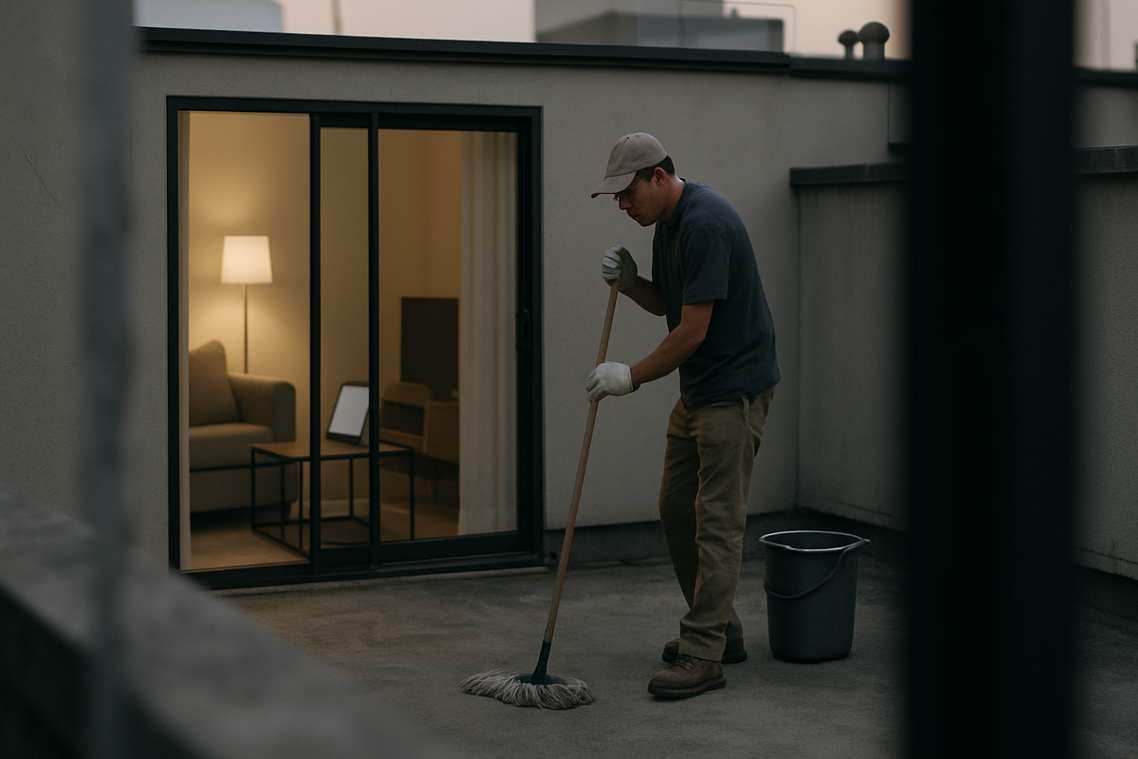
First things first: get everything out of your head and onto paper. The goal here is a complete “brain dump” of every maintenance task your home could possibly need. Think of it as assembling your own Avengers team of chores—each task has a role, and ignoring one (looking at you, clogged gutters) can cause chaos.
Start by organizing tasks by frequency.
- Weekly/Bi-Weekly: Test smoke detectors, clean the garbage disposal, wipe down shower doors to prevent buildup.
- Monthly: Clean the dishwasher filter (yes, it exists), inspect fire extinguishers for pressure, deep clean the range hood filter.
- Quarterly (Seasonal): Clean refrigerator coils, reverse ceiling fans, deep clean windows and sills.
- Annually/Bi-Annually: Service the HVAC system, clean gutters, inspect the roof, flush the water heater.
Alternatively, you can sort by area if that feels more intuitive.
- Kitchen Appliances: Refrigerator coils, dishwasher seals, oven calibration.
- Home Systems: HVAC filters, plumbing leaks, electrical panel checks.
- Exterior: Roof shingles, gutters, siding cracks, foundation gaps.
- Safety: Smoke and CO detectors, extinguishers, trip hazards.
Some people argue this level of detail is overkill (“Isn’t that what YouTube is for?”). But without a master list, small issues snowball fast—like ignoring a “Check Engine” light and hoping it disappears. It won’t.
If you need help building skills, explore these top online resources for learning home improvement skills.
Once complete, this becomes your personalized home maintenance schedule guide—the master blueprint your future self will thank you for.
Choosing your scheduling tool is like picking a workout routine: the best one isn’t the trendiest—it’s the one you’ll actually stick with. A brilliant system that gathers dust is just clutter with good intentions. So as you build your home maintenance schedule guide, think about your personality first, features second.
-
The Digital Approach
If your phone is practically an extension of your hand, lean into it. Google Calendar, Asana, or Trello can act like a personal assistant who never sleeps. Automated reminders nudge you before tasks slip through the cracks, and sharing boards with a partner keeps everyone aligned. Plus, everything syncs across devices—your plan travels with you. -
The Analog Approach
On the other hand, maybe you crave something tangible. A wall calendar, whiteboard, or dedicated binder turns maintenance into a visible scoreboard. There’s real satisfaction in physically checking off a task (it’s oddly therapeutic). High visibility also means fewer “I forgot” moments. -
The Hybrid Approach
Finally, consider a spreadsheet as your command center, with calendar alerts as your alarm bells. Think of it as the brain and the heartbeat—one stores the data, the other keeps it alive and moving.
Step 3: Build and Implement Your Action Plan
Now that your master list is complete, it’s time to put it into motion. First, transfer every task into your preferred planner or app. The goal is simple but powerful: assign each task a specific date and time. A plan without a slot on your calendar is just a wish (and we all know how that goes).
Theme Your Seasons
Next, group tasks logically to reduce overwhelm and boost efficiency. For example:
| Season | Focus Area | Example Tasks |
|---|---|---|
| Spring Refresh | Exterior Care |
Window washing, siding rinse, A/C prep |
| Fall Winterization | Weather Protection | Gutter cleaning, furnace check, draft sealing |
This structure turns random chores into manageable “maintenance seasons.”
Time-Block Your Calendar
Then, schedule it. Create a monthly “Home Maintenance Power Hour” or dedicate one weekend per quarter for larger projects. Consistency builds momentum.
Of course, life happens. If you miss a task, simply reschedule it the following week. Flexibility keeps the system sustainable.
So what’s next? Consider setting reminders, syncing tasks with family members, or reviewing a home maintenance schedule guide to refine your plan further. Once your routine runs smoothly, you’ll spend less time reacting to problems—and more time enjoying your home.
A maintained home is a peaceful home. You’ve replaced the chaos of reactive repairs with the calm control of a proactive plan. Instead of scrambling during a plumbing surprise, you follow a CLEAR, SIMPLE system. You inventoried every filter, fixture, and finish, chose tools like a digital tracker or printable home maintenance schedule guide, and built a living calendar that updates as seasons change. Some argue maintenance plans are overkill, that you can just fix things when they break. But that mindset keeps you stuck in crisis mode (think Home Alone, minus the laughs). Start small. START NOW for peace.
By establishing a clear home maintenance schedule, you’ll not only keep your space in top shape but also pave the way for more successful renovations, as outlined in our article on Home Renovation Tips at Miprenovate – for more details, check out our Home Renovation Tips Miprenovate.
Keep Your Home Running Like New
You came here looking for a clear, manageable way to stay on top of your home’s upkeep — and now you have it. With a structured plan in place, you’re no longer guessing what needs attention or waiting for small issues to turn into expensive repairs.
A consistent home maintenance schedule guide removes the overwhelm, protects your investment, and keeps your space feeling clean, organized, and stress-free. Instead of reacting to problems, you’re staying ahead of them — and that’s where real peace of mind lives.
The next step is simple: put your schedule into action today. Start with this month’s top priorities, set reminders, and commit to small, consistent tasks that prevent costly breakdowns later. Homeowners who follow a structured plan save time, money, and frustration — and you can too.
Don’t let neglected maintenance drain your energy or budget. Take control of your home now, follow your plan, and enjoy a space that stays pristine, efficient, and beautifully maintained all year long.
 Content & Lifestyle Specialist
Hazelerina Henry has opinions about household organization hacks. Informed ones, backed by real experience — but opinions nonetheless, and they doesn't try to disguise them as neutral observation. They thinks a lot of what gets written about Household Organization Hacks, Pristine Interior Care Solutions, Home Living Highlights is either too cautious to be useful or too confident to be credible, and they's work tends to sit deliberately in the space between those two failure modes.
Reading Hazelerina's pieces, you get the sense of someone who has thought about this stuff seriously and arrived at actual conclusions — not just collected a range of perspectives and declined to pick one. That can be uncomfortable when they lands on something you disagree with. It's also why the writing is worth engaging with. Hazelerina isn't interested in telling people what they want to hear. They is interested in telling them what they actually thinks, with enough reasoning behind it that you can push back if you want to. That kind of intellectual honesty is rarer than it should be.
What Hazelerina is best at is the moment when a familiar topic reveals something unexpected — when the conventional wisdom turns out to be slightly off, or when a small shift in framing changes everything. They finds those moments consistently, which is why they's work tends to generate real discussion rather than just passive agreement.
Content & Lifestyle Specialist
Hazelerina Henry has opinions about household organization hacks. Informed ones, backed by real experience — but opinions nonetheless, and they doesn't try to disguise them as neutral observation. They thinks a lot of what gets written about Household Organization Hacks, Pristine Interior Care Solutions, Home Living Highlights is either too cautious to be useful or too confident to be credible, and they's work tends to sit deliberately in the space between those two failure modes.
Reading Hazelerina's pieces, you get the sense of someone who has thought about this stuff seriously and arrived at actual conclusions — not just collected a range of perspectives and declined to pick one. That can be uncomfortable when they lands on something you disagree with. It's also why the writing is worth engaging with. Hazelerina isn't interested in telling people what they want to hear. They is interested in telling them what they actually thinks, with enough reasoning behind it that you can push back if you want to. That kind of intellectual honesty is rarer than it should be.
What Hazelerina is best at is the moment when a familiar topic reveals something unexpected — when the conventional wisdom turns out to be slightly off, or when a small shift in framing changes everything. They finds those moments consistently, which is why they's work tends to generate real discussion rather than just passive agreement.