Tired of scrubbing away mold only to see it return days later? This guide delivers a complete, practical system for mold prevention in bathrooms, helping you stop the cycle for good. Persistent mold isn’t just unattractive—it can damage grout, walls, and fixtures while affecting your home’s air quality. The key isn’t stronger cleaners; it’s smarter prevention. Based on proven home care principles that target moisture control, ventilation, and maintenance routines, this article shows you exactly what to do daily, weekly, and long-term to keep your bathroom fresh, dry, and permanently mold-free.
Understanding the Root Cause: Why Bathrooms Are a Mold Magnet
The Mold Triangle explains why certain spaces grow mold faster than others. Mold needs three things: moisture (water or humidity), warmth (typically between 60–80°F), and a food source (organic material like dust or paper). Remove one, and growth slows. Leave all three in place, and spores settle in within 24–48 hours (EPA).
Bathrooms create the perfect storm. After a single 15‑minute hot shower, humidity can spike above 80%, lingering for hours if ventilation is poor. Add warm air, damp towels, and everyday grime, and you’ve built a five-star resort for spores (not exactly the spa day you imagined).
Common hotspots include:
- Tile grout and silicone caulk lines
- Shower curtains and liners
- Under sinks with minor leaks
- Around the toilet base
Understanding this cycle is the first step toward smarter mold prevention in bathrooms—and stopping growth before it spreads.
The Golden Rule of Prevention: Mastering Airflow and Ventilation
If you want cleaner walls, fresher air, and fewer weekend scrubbing sessions, master one thing: AIRFLOW. Moisture is mold’s best friend (and your bathroom’s worst enemy). Control the moisture, and you control the problem.
Your Most Powerful Tool: The Exhaust Fan
Running your exhaust fan during every shower—and for at least 20–30 minutes after—is the single most effective step you can take. It pulls humid air out before it settles on ceilings, grout, and paint.
What’s in it for you?
- Fewer dark spots on caulk and grout
- Less peeling paint
- Reduced musty odors
- Longer-lasting finishes and fixtures
That’s real mold prevention in bathrooms without expensive renovations.
No Fan? No Problem
No built-in fan? Open a window during and after showering to create cross-ventilation. You can also place a small portable fan in the doorway to push humid air out. (Yes, it’s low-tech—but it works.) The benefit? Faster drying surfaces mean fewer moisture-related headaches.
Maintenance Is Key
A dusty fan is a weak fan. Remove and wash the cover every few months, and vacuum the vent opening. Dust buildup can significantly reduce airflow power. Clean equipment equals maximum performance.
For Chronic Humidity
In windowless or stubbornly damp bathrooms, a compact dehumidifier actively pulls moisture from the air. The payoff is noticeable: drier mirrors, fresher towels, and healthier air quality.
And once moisture is under control, keeping surfaces spotless becomes easier—especially when following proven window and glass cleaning tips for streak free results (because clear glass beats cloudy glass every time).
Daily and Weekly Habits for a Dry, Clean Space
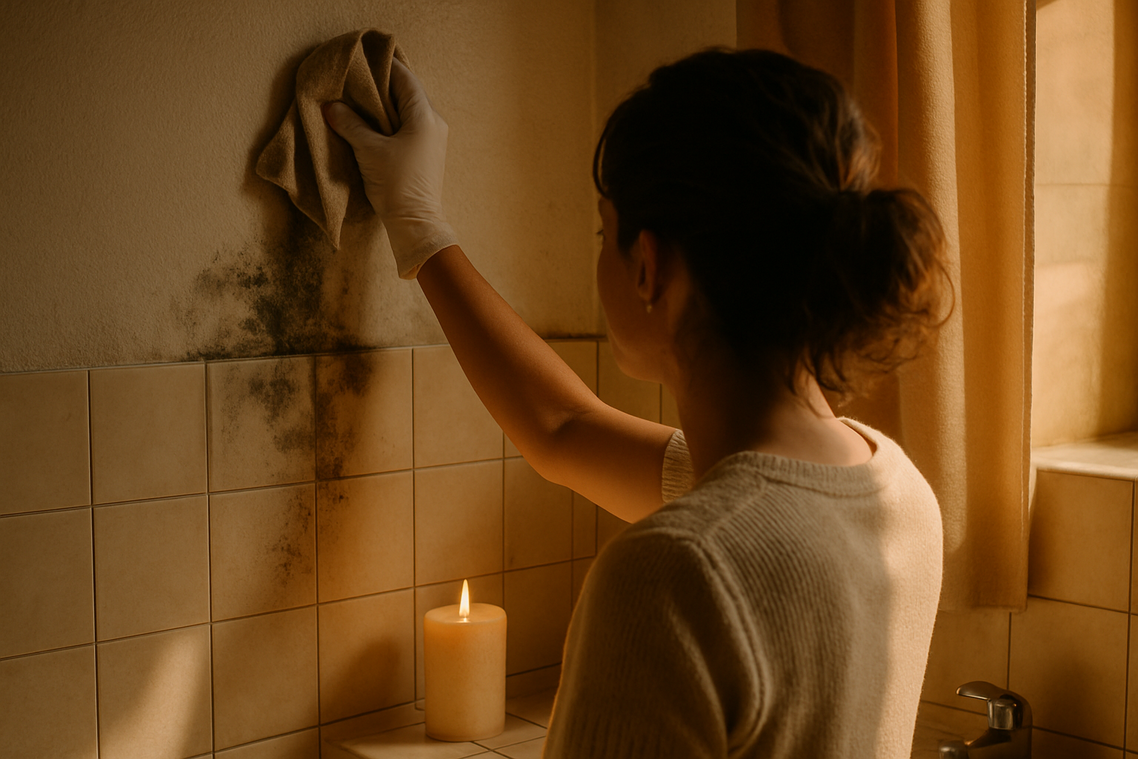
A dry bathroom isn’t about marathon scrubbing sessions. It’s about small, repeatable habits that stop moisture before it settles in (because once it settles, it stays).
The 60-Second Squeegee Rule
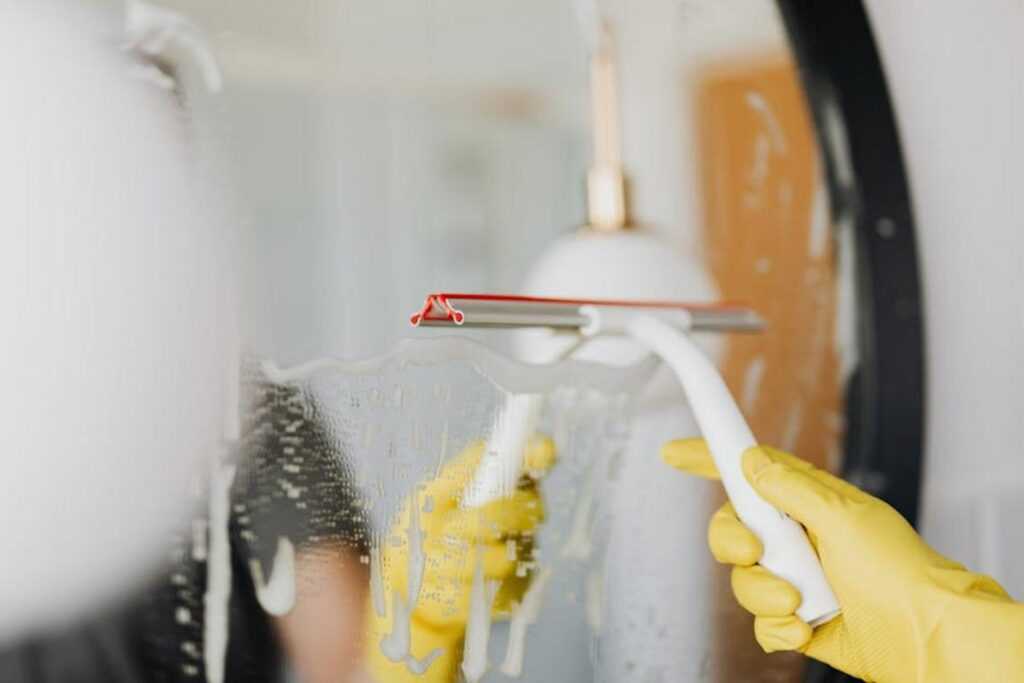
In humid regions like the Pacific Northwest or coastal Florida, moisture lingers longer due to higher ambient humidity levels. That’s why the 60-second squeegee rule works. After every shower, run a squeegee over tile and glass. This removes most surface water before evaporation can leave behind mineral deposits (that cloudy film is hard water scale, by the way). Fewer droplets mean fewer opportunities for mold prevention in bathrooms to become a full-blown remediation project.
Wipe Down Surfaces
Use a microfiber cloth—its split fibers trap moisture and bacteria more effectively than cotton. Quickly wipe countertops, faucets, and any floor puddles. In cities with hard municipal water like Phoenix or Las Vegas, this also reduces calcium buildup. Pro tip: keep a dedicated cloth in a ventilated drawer so it dries fully between uses.
Manage Linens and Rugs
Towels should hang fully spread, not bunched on hooks. Damp folds are prime breeding grounds for mildew. Wash bath mats weekly and dry them thoroughly on high heat. Shower curtains? Toss them in the wash monthly. The EPA confirms moisture control is the primary defense against mold growth (https://www.epa.gov/mold).
Weekly Deep Clean Focus
Once a week, target grout and caulk with a pH-neutral cleaner. Soap scum (a mix of soap residue and minerals) feeds mold spores. A simple scrub prevents buildup—no hazmat suit required (despite how grout can sometimes look).
Long-Term Solutions: Smart Material and Design Choices
If you’re serious about mold prevention in bathrooms, quick fixes won’t cut it. You need materials that work with you, not against you.
First, choose the right paint. High-quality, mold- and mildew-resistant paint in a satin or semi-gloss finish creates a smoother, less porous surface. In other words, moisture has fewer places to cling (and fewer chances to become a science experiment on your ceiling). It’s easier to wipe down, too.
Next, seal your grout annually. Grout is naturally porous, which means it absorbs water like a sponge. Applying a penetrating grout sealer creates a barrier that keeps moisture out. The process is simple: clean thoroughly, apply sealer evenly, let it cure, and wipe away excess. A small weekend task now prevents major tile repairs later.
Equally important, upgrade your caulk. Use 100% silicone caulk with mildew-resistant properties around tubs, showers, and sinks. The moment you see cracking or peeling, replace it. Damaged caulk invites hidden moisture behind walls.
Finally, fix leaks immediately. Even a slow drip under the sink guarantees persistent dampness.
So what’s next? Consider improving ventilation and scheduling seasonal inspections to keep moisture under control long term.
Creating Your Pristine Bathroom Sanctuary
You set out to master mold prevention in bathrooms, and now you have a clear, complete system to do it. By controlling moisture, keeping surfaces dry, and cleaning consistently, you eliminate the damp conditions mold thrives on. Don’t let hidden moisture undo your efforts—start these simple habits today and enjoy a fresher, healthier bathroom every single day.